AI Won’t Write Our Curriculum (But It Might Help Make It Better)
9th December 2025
Written by:

Anthony Legon
Co-CEO & Co-Founder
Why Literacy Tree Still Believes in Being For Teachers, By Teachers in the Age of Artificial Intelligence.
There’s no denying the inevitable truth: AI is everywhere. Depending on who you ask, it’s either the beginning of a golden age of education or the beginning of the end. Many Edtech companies are rushing to rebrand themselves as AI-powered. Tools that had perfectly sensible names a year ago now sound like the titles of sci-fi films or team names from The Apprentice – and if an organisation isn’t shouting about AI, people start to wonder whether they’ve quietly retired to a remote island without Wi-Fi.
So let’s set out our stall early and say that at Literacy Tree, we are excited about the possibilities of AI. We’ve experimented with it; we’ve tested it; we’ve interrogated it, argued with it, and ever-so-occasionally we’ve even been impressed by it.
So, here’s our take:
AI will not be writing our curriculum, nor designing it, nor will it be replacing the expertise on which Literacy Tree was built.
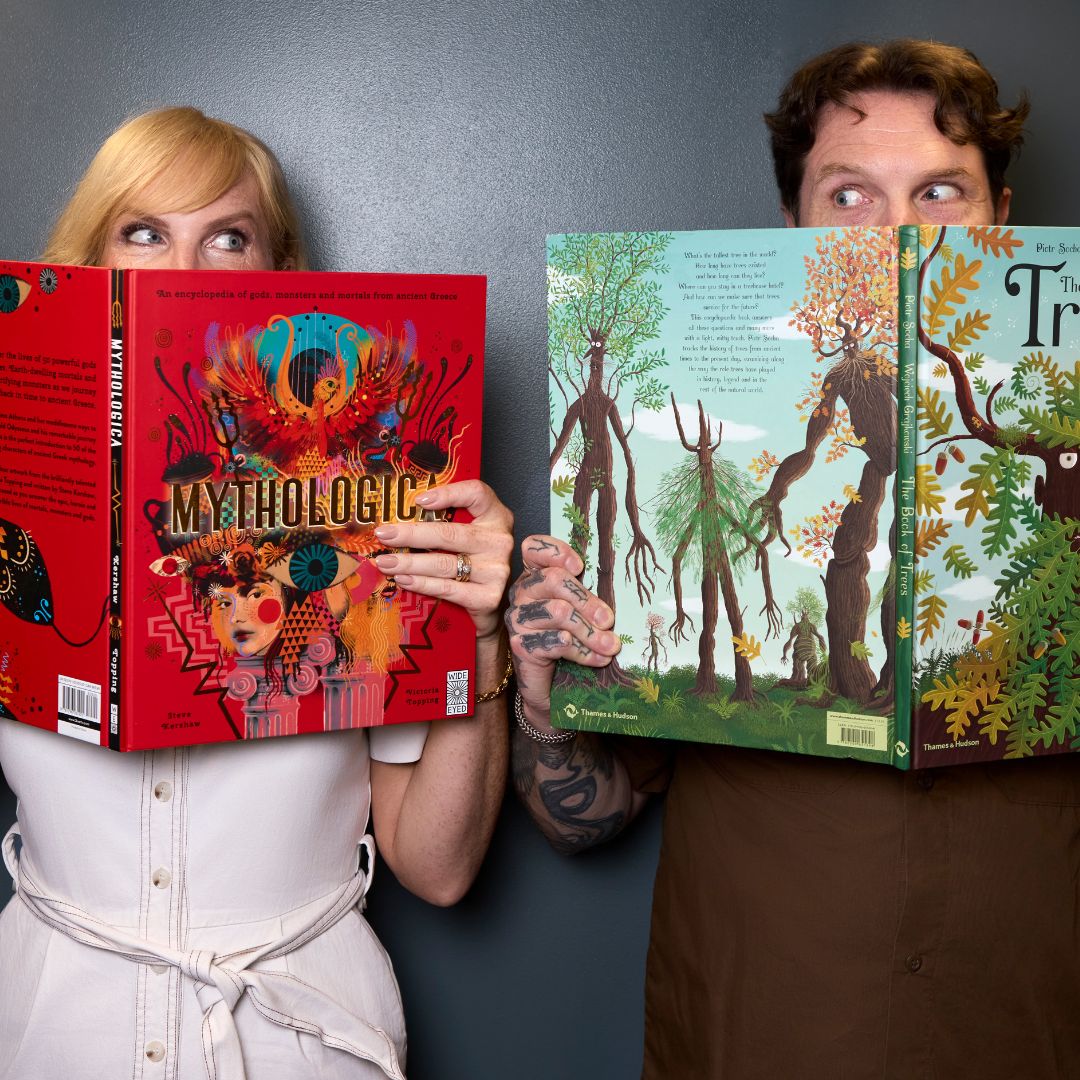
And just to be clear, this isn’t nostalgia, it isn’t fear-mongering and it’s certainly not resistance to change. This is borne out of a commitment to the thing that has always mattered most – delivering a curriculum, resources and CPD that are genuinely for teachers, by teachers (not for teachers, by algorithms). To us, authorship matters. We’ve worked hard to ensure we have all relevant permissions to use the books and illustrations from our brilliant authors and publishers – something that AI can’t guarantee it always does.
So, in a world where everyone seems to be shouting We’ve added AI! here’s why Team Literacy Tree is saying something slightly different.
 |
 |
 |
1. AI is powerful, but power doesn’t equal purpose
There’s a simple truth that tends to get lost beneath the AI generated excitement: just because something can be done with AI doesn’t mean it should.
AI can produce a grammar worksheet in seconds; it can create a bunch of starters based on a book extract; it can rewrite a text to match a particular reading level; it can generate a piece of modelled writing. But here’s the uncomfortable part: AI rarely knows why it’s doing any of this. It doesn’t understand pedagogy; it doesn’t know curriculum intent; it doesn’t have a classroom; it doesn’t understand children.
So why do these things matter? Because what distinguishes a carefully crafted sequence of learning from a generic piece of planning isn’t surface-level content, it’s purpose, progression, nuance, and the subtle, decision-making that only comes from years of classroom practice.
When we write, refresh or refine resources at Literacy Tree, we don’t start by thinking of a list of nice activities that could link to a text. We start by thinking about what we want children to understand at each stage; by what conceptual knowledge or language needs to be secured, what text-specific opportunities will deepen that learning; what misconceptions might arise – and how this will connect to the later learning journey.
AI doesn’t consider this. Teachers do. We do. And just to be clear, this isn’t an argument against AI – it’s an argument for expertise.
2. For teachers, by teachers isn’t a slogan, it’s a core principle
Before Literacy Tree was an organisation, it was an idea: that curriculum should reflect real children, real classrooms, real teaching and real writing opportunities.
We believe that those closest to children’s learning know what works. That the profession deserves materials shaped by the people who truly understand its pressures and everyday realities.
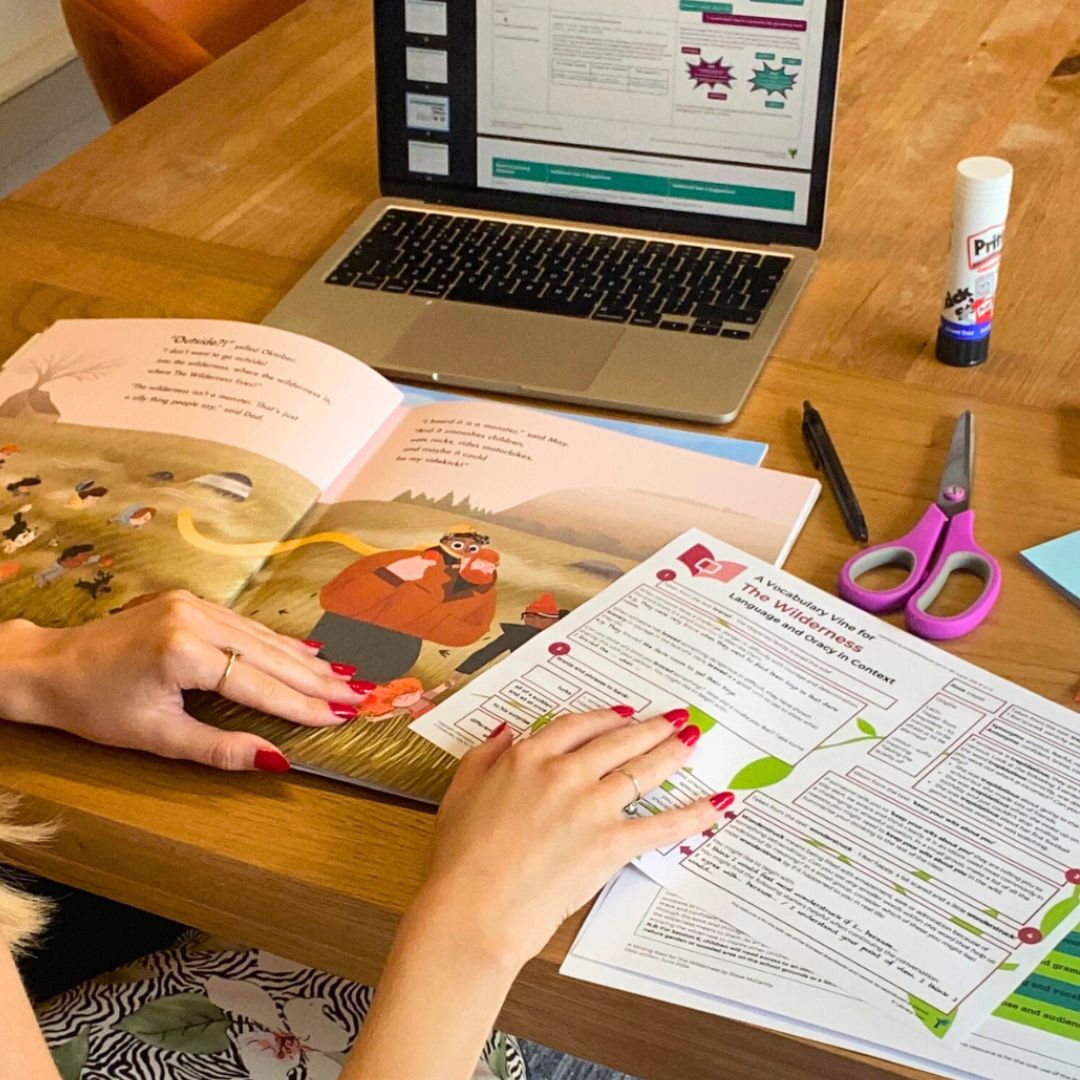
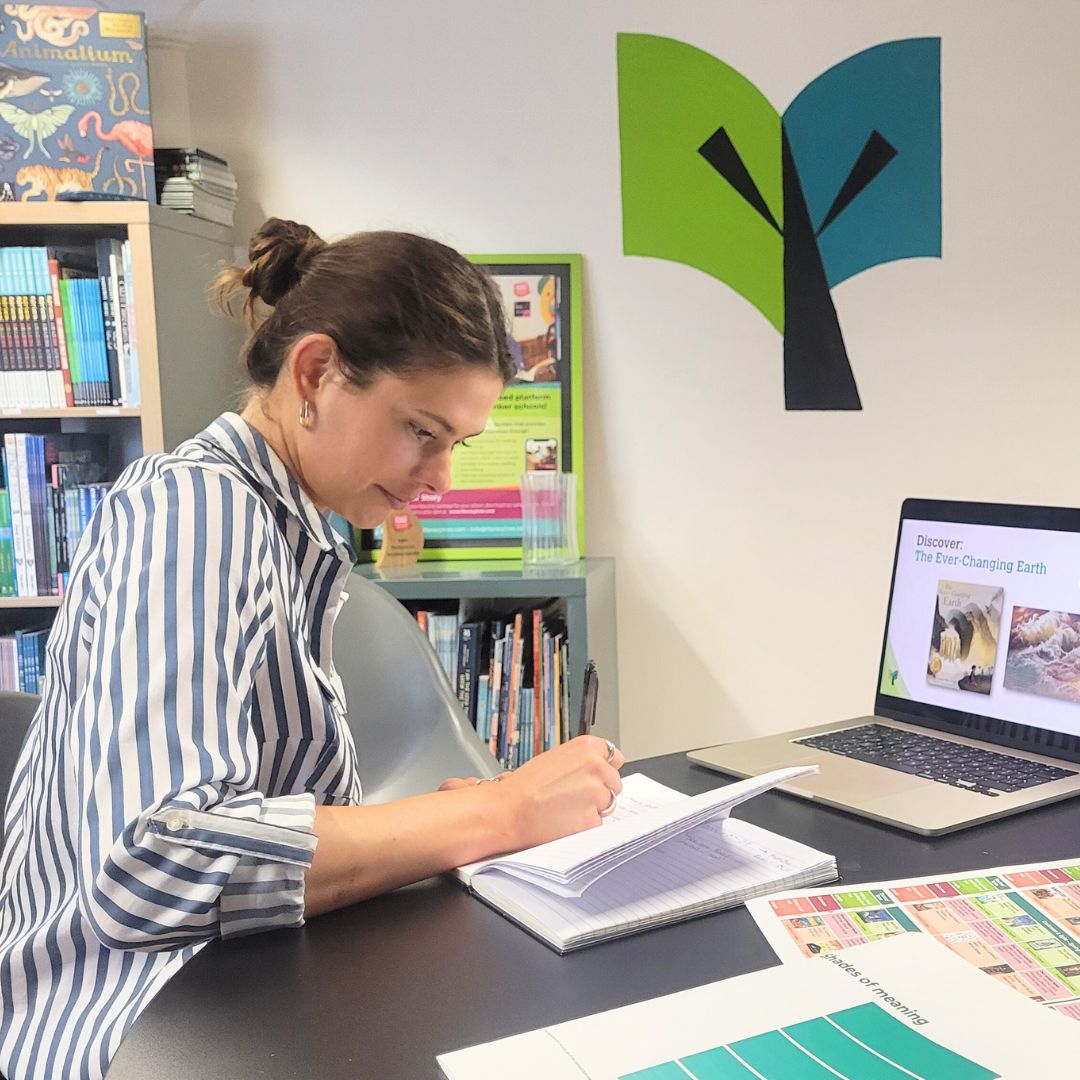
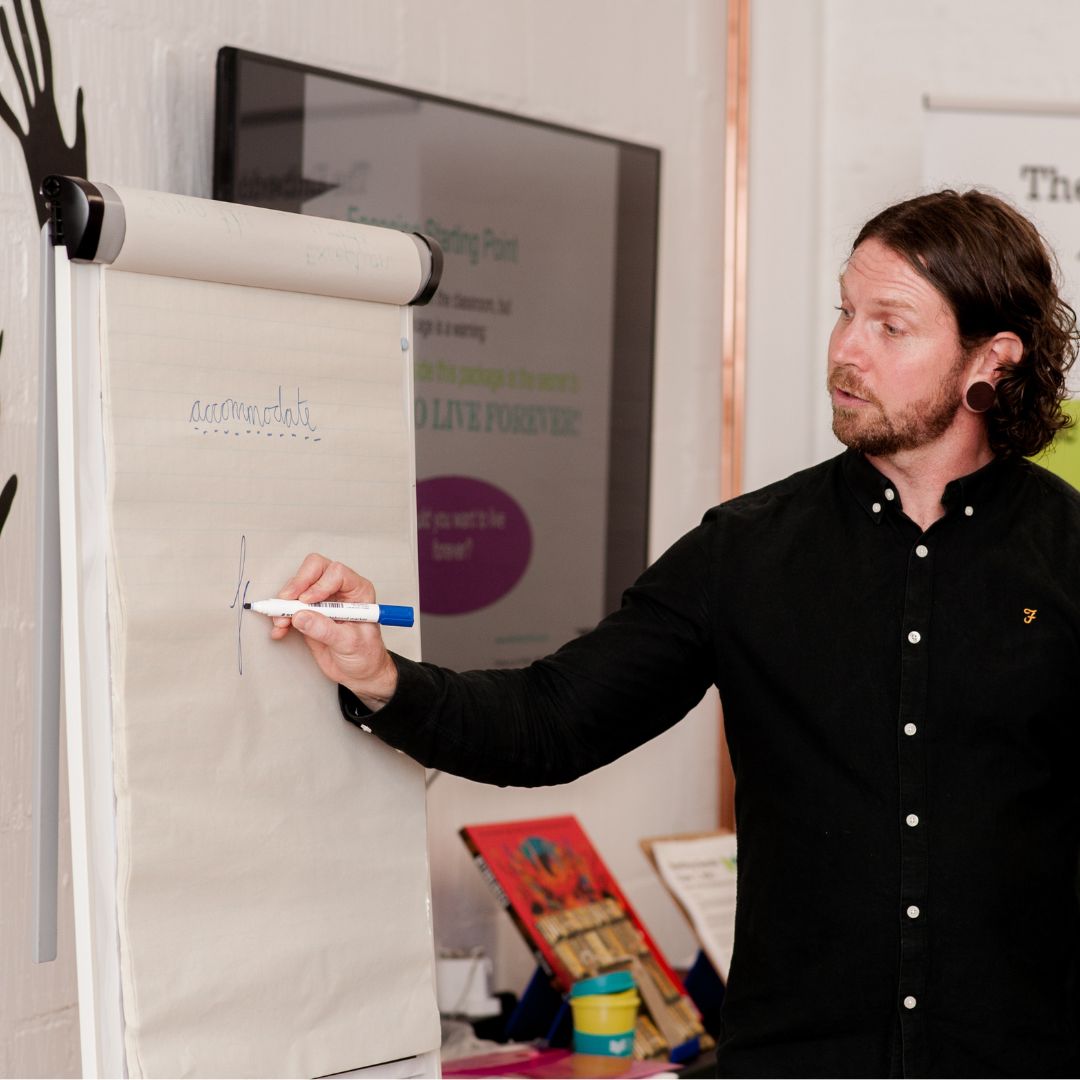
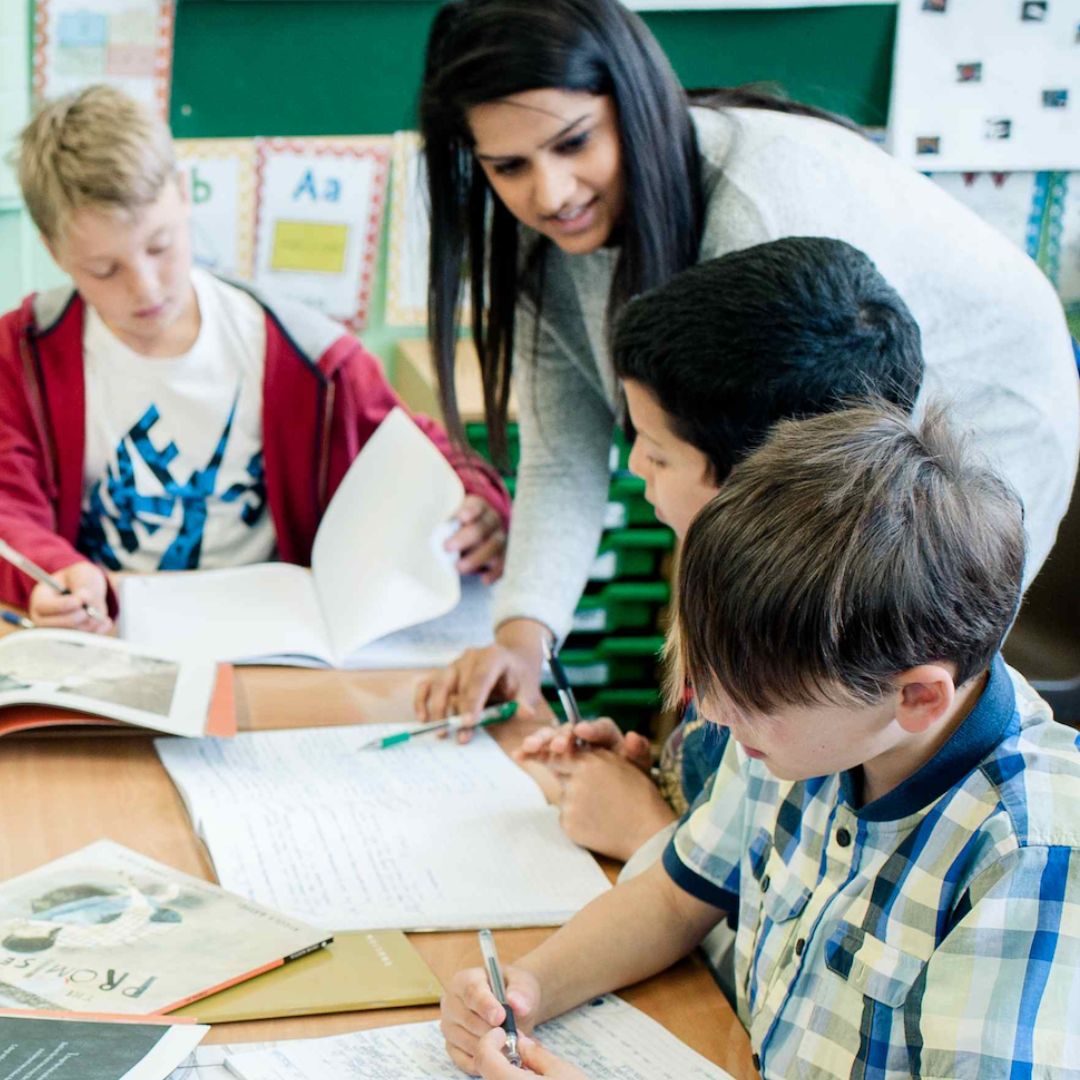
Every resource we create is written by teachers – current, former and always connected to real practice. Many are or have been moderators, school leaders, researchers, or specialists in particular aspects of English pedagogy. All of them have stories from the chalkface (or chalkboard) that continue to guide their decision-making.
This is why our curriculum feels the way it feels; why it’s grounded in high-quality, truly diverse literature; why each lesson flows into the next; why progression is coherent and intentional; why writing outcomes feel authentic and well-placed, not contrived. If you’ve ever thought that our resources feel like they were written by people who really get it – it’s because they were.
Because of this, we take authorship seriously. The intellectual property behind Literacy Tree isn’t just a set of resources, it’s the accumulated expertise of years of teaching experience, and human expertise is not something we’re willing to outsource to a machine. Real resources for real children using real books in the real world – all written by real people.
 |
 |
 |
3. The future may involve AI, but only where it adds real value
There are things AI can do brilliantly, we completely agree, and ignoring those possibilities would be irresponsible. Where we see genuine potential is not in authorship, but in personalisation and adaptation, particularly around things like adapting content without diluting its authenticity; supporting EAL and second language learners; generating open-ended challenges or extensions; removing teachers’ cognitive load; making planning more responsive to real-time assessment; and increasing accessibility for pupils with SEND.
Imagine a world where teachers can instantly adapt a high-quality text to support a particular learner’s needs; vocabulary scaffolds can be generated on-the-go, aligned with the Literacy Tree progression; pupils who need more practice with specific writing structures receive targeted support that aligns with the resource’s intention.
That’s exactly the kind of AI we want to develop with teachers, not instead of teachers. But there’s a crucial distinction that AI may help adapt our curriculum, but it will never create it. The integrity of Literacy Tree will always begin with expert authorship. If we bring AI into Literacy Tree, it will be because it meaningfully improves teaching and learning.
4. Authenticity matters and children deserve real, representative literature
One of the dangers of AI-generated content is the flattening of language. AI can be brilliant at producing sentences that are grammatically correct, but that often comes at the expense of richness. Subtlety disappears and is replaced by blandness as vocabulary becomes pedestrian. It may be fluent, but it isn’t expressive. AI can only draw on what’s already out there, but lacks the ability to build, develop and take risks.
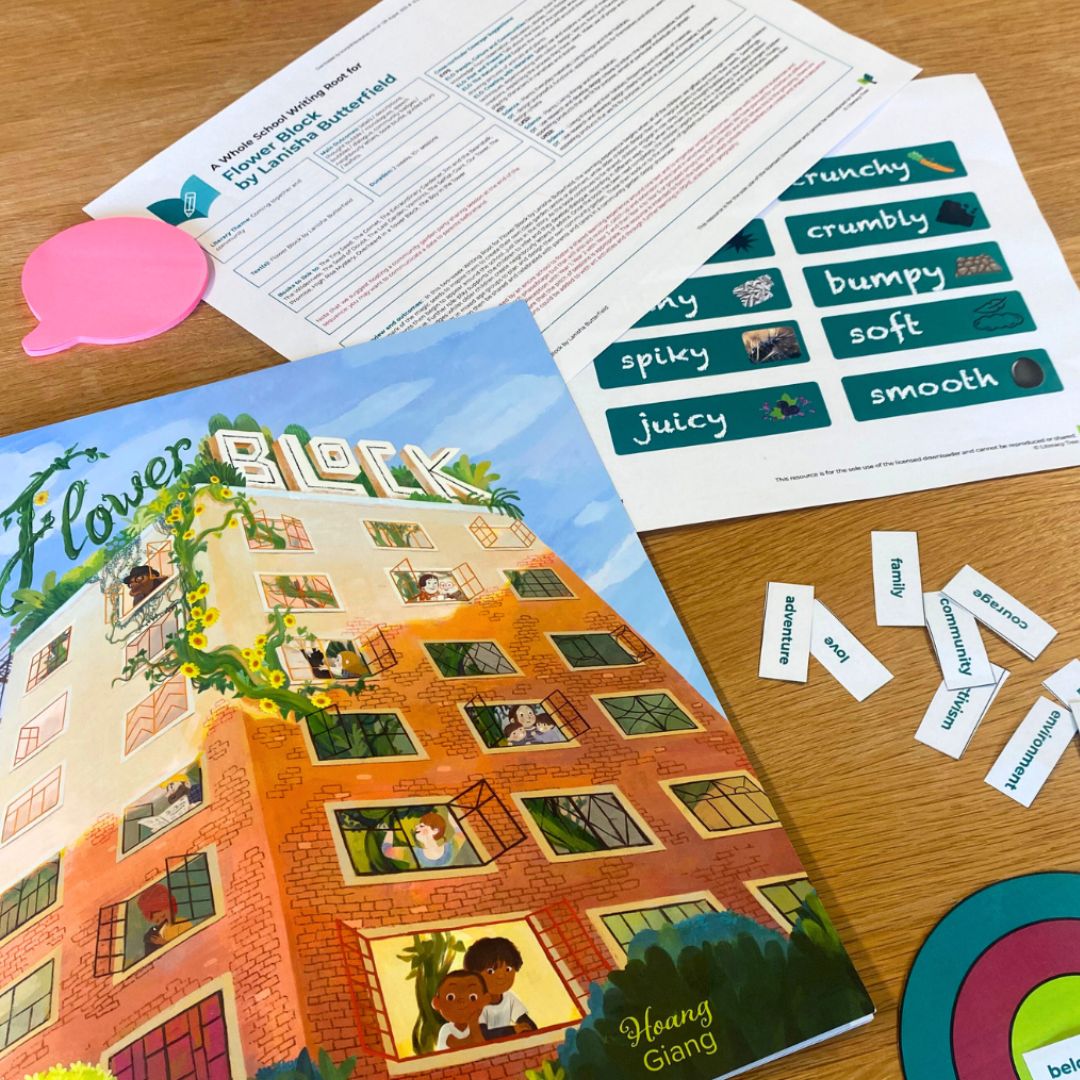
High-quality children’s literature, which is our very cornerstone, doesn’t sound like AI. It sounds like humans at their most creative and deliberate. So when we design resources around these texts, we aren’t just building objectives – we’re creating experiences. We’re helping teachers bring stories to life in ways that spark curiosity, empathy and critical thinking. If AI starts shaping that experience without rigorous human oversight, something precious gets lost and the authenticity of the reading and writing journey, and that is not a compromise we’re willing to make.
 |
 |
 |
5. Teachers don’t need replacing. They need empowering
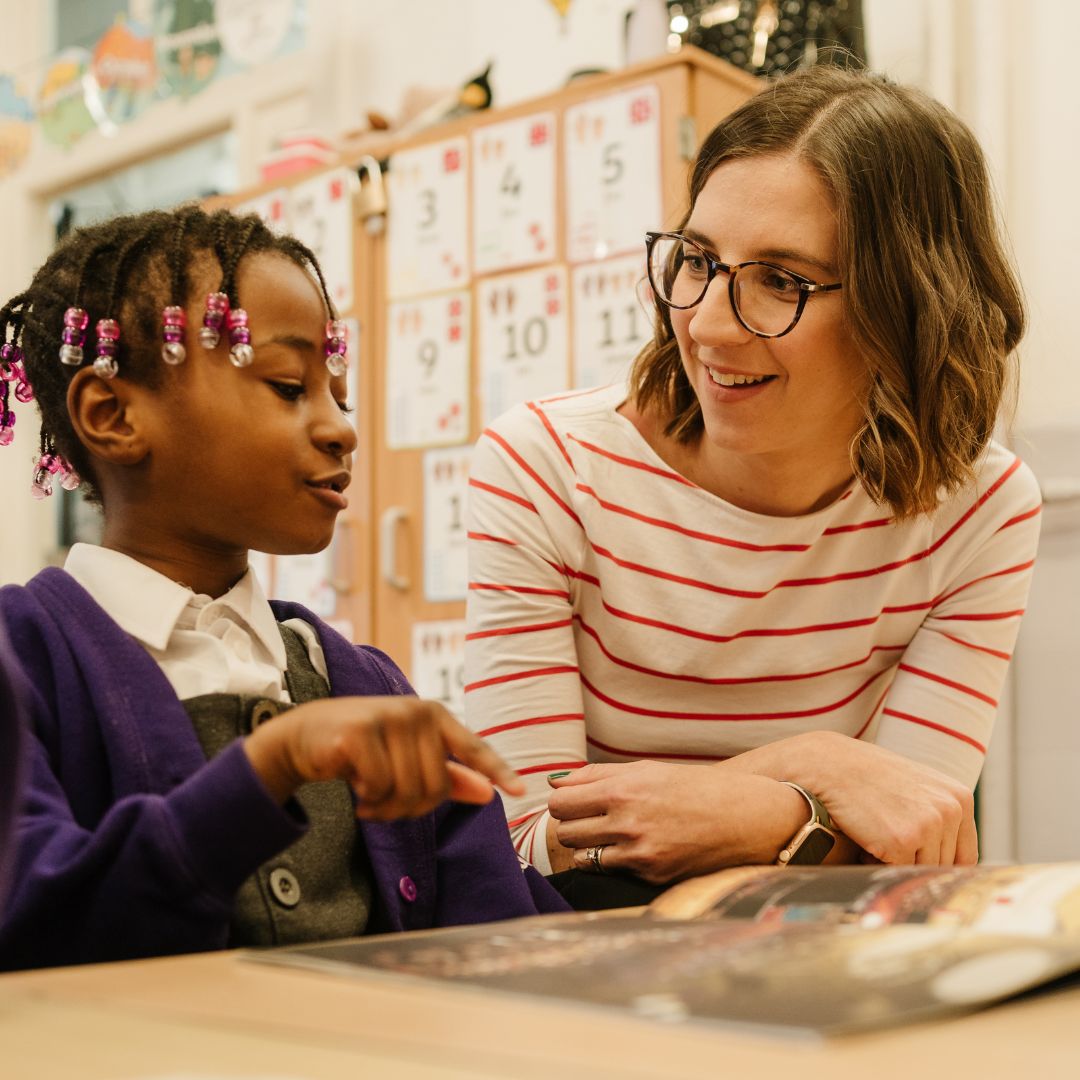
There’s a narrative doing the rounds that AI is poised to replace teachers. We think the opposite – teachers are more essential than ever. AI might be able to analyse patterns, but it can’t build relationships; it can generate texts, but it can’t read the room; it can suggest next steps, but it can’t know when a child is having a bad day – or when an unexpected moment of curiosity will spark a learning opportunity.
Teachers don’t need to be pitted in competition with technology, rather they need it to reduce their workload – and cognitive load – so that they can spend more time with their children; plan and resource with precision; assess responsively; engage with literature; and teach creatively rather than mechanically. This is where AI, when it is used thoughtfully and appropriately, it can support the profession, not by replacing expertise, but by releasing its potential.
6. Innovation, not imitation
So where do we go from here? Our stance is to embrace innovation, whilst simultaneously rejecting gimmicks. We will explore AI, but never at the expense of teacher expertise. We will use AI where it improves children’s learning, but never where it compromises quality or integrity. And we will always, always remain for teachers, by teachers.
And if the future involves AI-powered personalisation, adaptive tools, or enhanced planning support, we will build those things with teachers, guided by research, pedagogy and practice, not hype and gimmick. This is because we believe the future of literacy education is not machine-led, but machine-supported, and always fundamentally, human-designed. We believe that the best curriculum is written with care, not code.
AI is extraordinary and it will, without doubt, shape the next era of our world – and education too – and we welcome that. We’re curious about it and we’re excited by what it could make possible. However, these are built on something AI cannot replicate: human intention; human expertise; human judgement; human creativity. We’re watching the developments closely, we’re exploring the opportunities and we see its potential. But no, AI isn’t writing Literacy Tree – teachers are, experts are, humans are – and for us, that will always matter most.