Written by:
Alice Wood
Marketing & Comms Coordinator
Welcome to the second instalment in our myth-busting series. Last time, we debunked three pervasive beliefs surrounding primary literacy, and are back today to tackle three more… let’s dive straight in!
Myth 1: More writing = better writing.
Truth:
Stamina is important. But sometimes the best growth happens through short and focused writing experiences.
Confident writing isn’t built by volume alone. While stamina matters, endless pages of text don’t necessarily equate to better writing.
In fact, short, purposeful writing tasks often create the greatest impact by allowing pupils to focus on intent, precision, and craft. When children are given time to produce and refine a short piece of writing, they learn to make deliberate choices about language and structure. These focused experiences strengthen core skills – like sentence construction and application of vocabulary - that transfer into longer pieces later on.
Regular, low stakes writing builds confidence. Pupils begin to prioritise creativity and risk-taking over perfection, moving beyond their comfort zones. Frequent opportunities – all with a distinct audience and purpose - to put pen to paper make writing feel spontaneous and joyful, rather than something to look ahead to and dread. Then, when it comes to tackling extended pieces, the blank page feels far less daunting because children already see themselves as capable, confident writers.
How we can help:
Our Writing Roots are designed with this principle in mind. They feature numerous short writing opportunities that build cumulatively towards an extended outcome - perhaps a factual report, a sequel to a story, or even a film pitch.
Each planning sequence includes frequent modelled writing opportunities, allowing teachers to demonstrate crafting a short piece in real time. The focus is not on perfection, but on modelling the process of drafting and improving: thinking out loud, correcting mistakes with a different coloured pen, or reordering sentence strips for clarity.
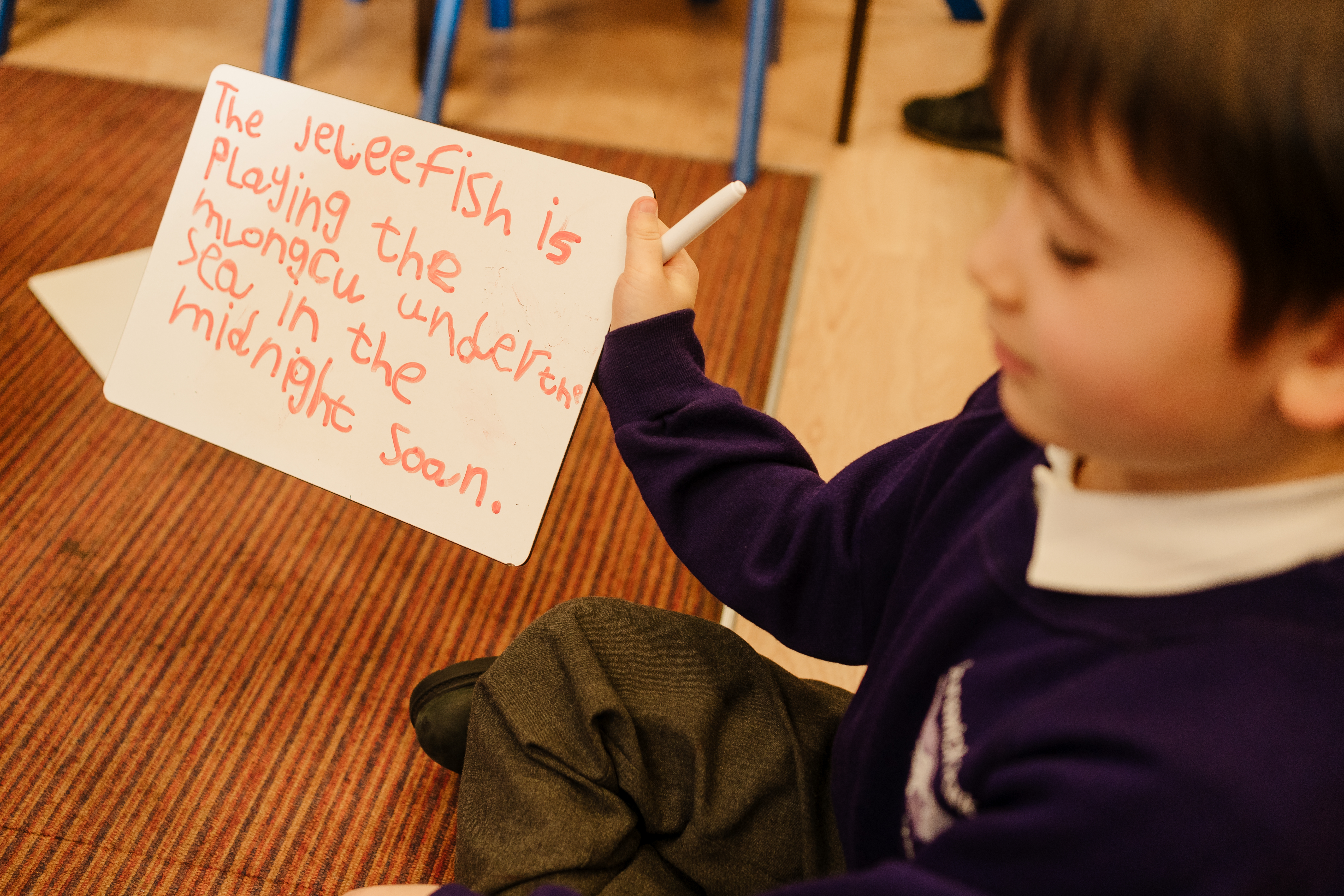
We are also strong advocates of instant publishing: moments within the writing process when children are given an immediate context, audience, and purpose for their writing. Writing ‘in the moment’ brings real energy to the classroom and keeps motivation high. Providing authentic materials enhances this further. We often suggest using headed letter paper, stamps, or labels to bring writing to life beyond the pages of an exercise book.
Finally, we encourage teachers to collect short writes (modelled and independent) and display them on a Working Wall. This visual record helps pupils revisit ideas and techniques as they move towards longer compositions, reducing cognitive load and reinforcing that they already possess the tools they need to succeed.
 |
 |
Myth 2: Picture books are only for children in Key Stage 1.
Truth:
Picture books invite high-level inference and personal interpretation, making them powerful tools for teaching children of all ages.
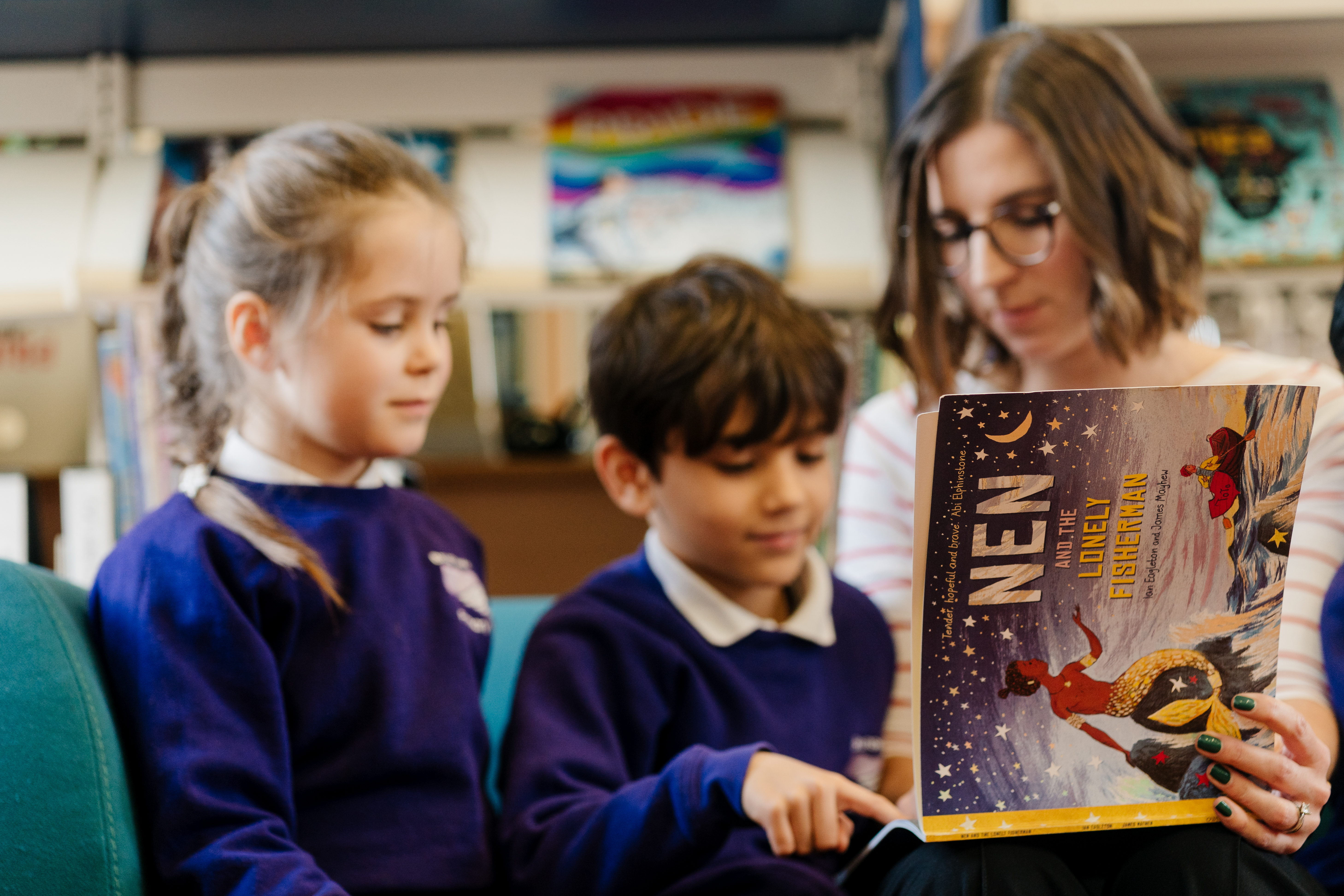
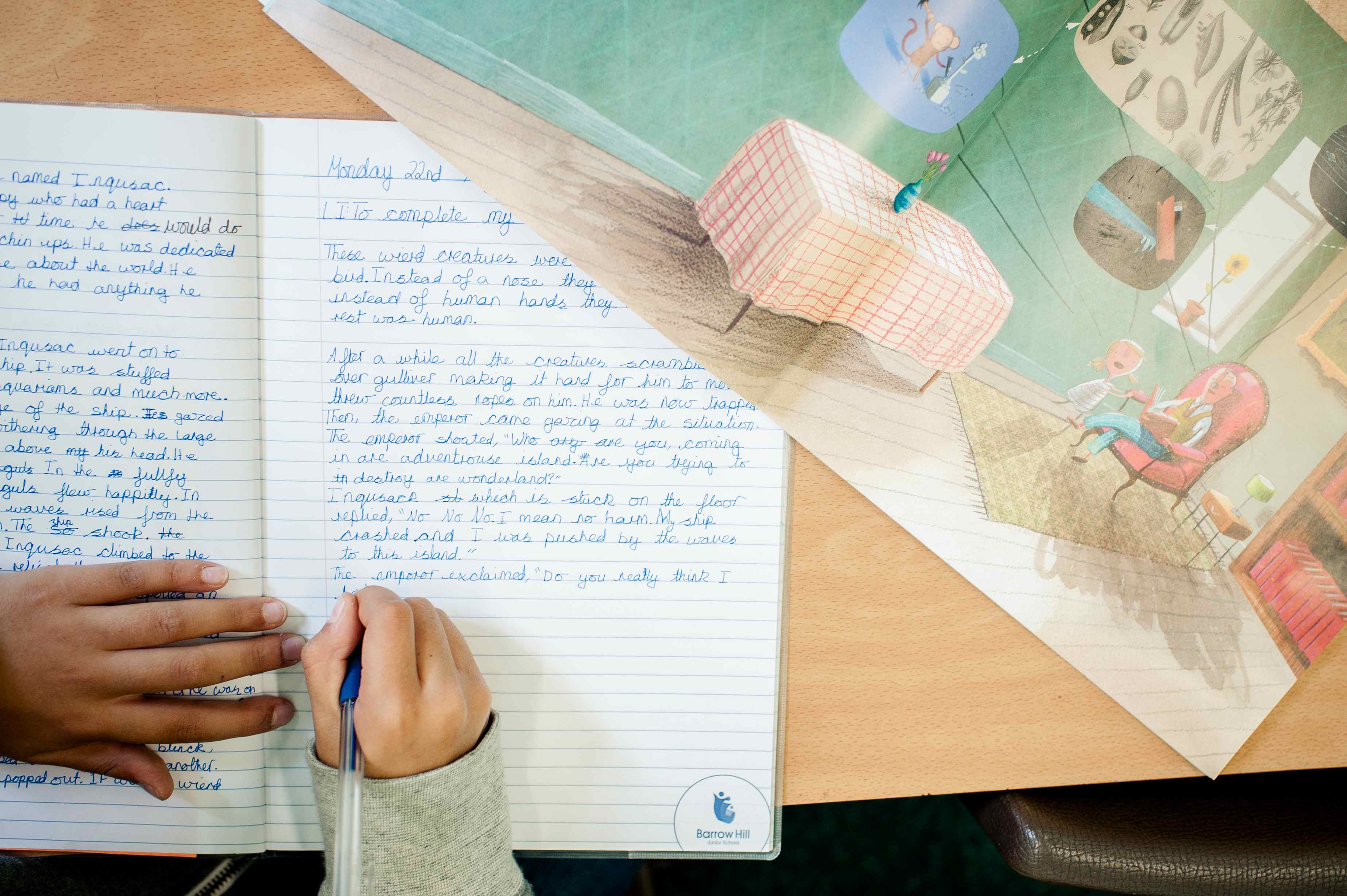
While picture books are often seen as a cornerstone of early reading, their value reaches far beyond. The relationship between text and illustration invites discussion, inference and critical thinking, making picture books ideal for developing comprehension skills at any age.
For older pupils, picture books serve as excellent mentor texts. They model concise language, rich imagery and effective narrative structure, all of which can inspire and inform pupils’ own writing.
Picture books can also help to break down language barriers, particularly in schools where many pupils are learning English as an additional language. For children new to English, images can support the understanding and decoding of a text.
Perhaps most powerfully, picture books create a shared experience for children of any age. When a class gathers around a single visual text, the illustrations become a meeting point for ideas, interpretations and emotions. Each reader notices something different, yet everyone is invited into the same imaginative space. In this way, picture books become an invaluable medium for both personal and collective interpretation.
How we can help:
Picture books are a staple of our KS2 curriculum. We even include several completely wordless texts - such as Flotsam (Year 3), The Whale (Year 5) and The Arrival (Year 6) - because they encourage pupils to slow down, observe closely and engage in high-level inference. These books invite personal interpretation and spark rich classroom discussion.
Illustrations provide a particularly rich foundation for writing. In our Writing Root for The Man Who Walked Between the Towers, Year 5 pupils are encouraged not only to explore the author’s language choices, but to engage deeply with the artwork. In one lesson, for instance, they are invited to “look at the illustration on these pages and imagine what Philippe would be seeing, hearing and feeling.”
In fact, all of the books we select for our Whole School Writing Roots are picture books, chosen for their ability to connect learners across age groups. Texts such as Flower Block by Lanisha Butterfield and Change Sings by Amanda Gorman can be accessed and enjoyed in different ways from Reception to Year 6. Our lesson suggestions are carefully pitched for each age group while allowing the whole school to share a collective experience around one text.
So if you’re looking to explore the benefits of picture books with KS2 - without patronising your older readers - we’ve done the work for you. Our offer includes multiple options, complete with detailed planning resources, for every year group.
 |
 |
Myth 3: If a child can read aloud fluently, they understand what they’re reading.
Truth:
Decoding and comprehension are separate skills.
Fluent reading and genuine understanding are not always the same thing. A child may move through a passage with ease (smooth pacing, accurate pronunciation, and confident expression) yet still have only a surface-level grasp of what they’ve read. True comprehension involves much more than decoding: it requires making inferences, summarising content, connecting ideas and drawing on background knowledge to build meaning.
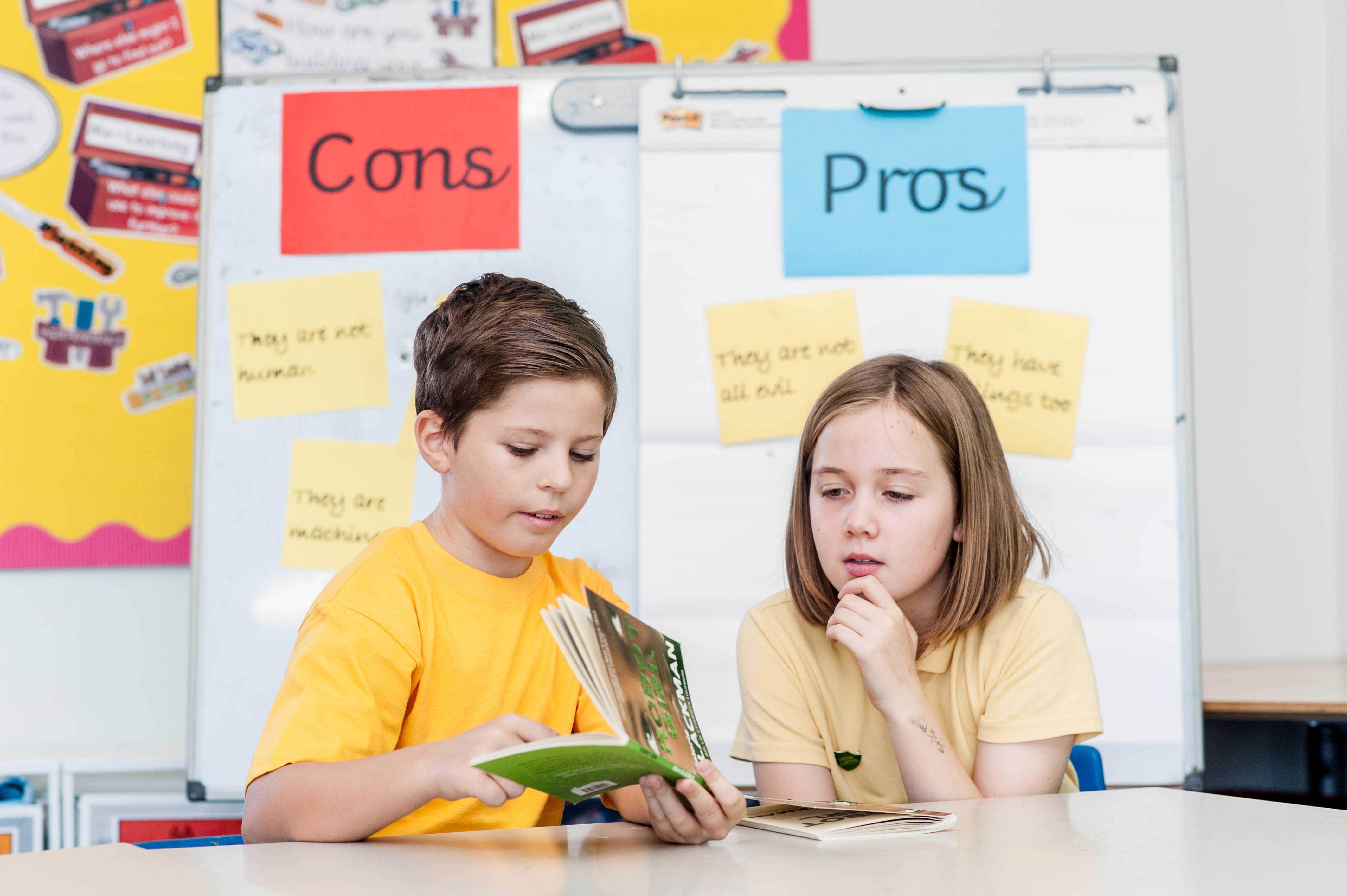
Developing comprehension also requires exposing children to a wide range of texts and teaching them strategies to unpick language, structure and intent. When pupils are equipped with these tools, they can slow down and discuss what they notice. In this way, reading becomes an active, reflective process rather than a performance of fluency.
How we can help:
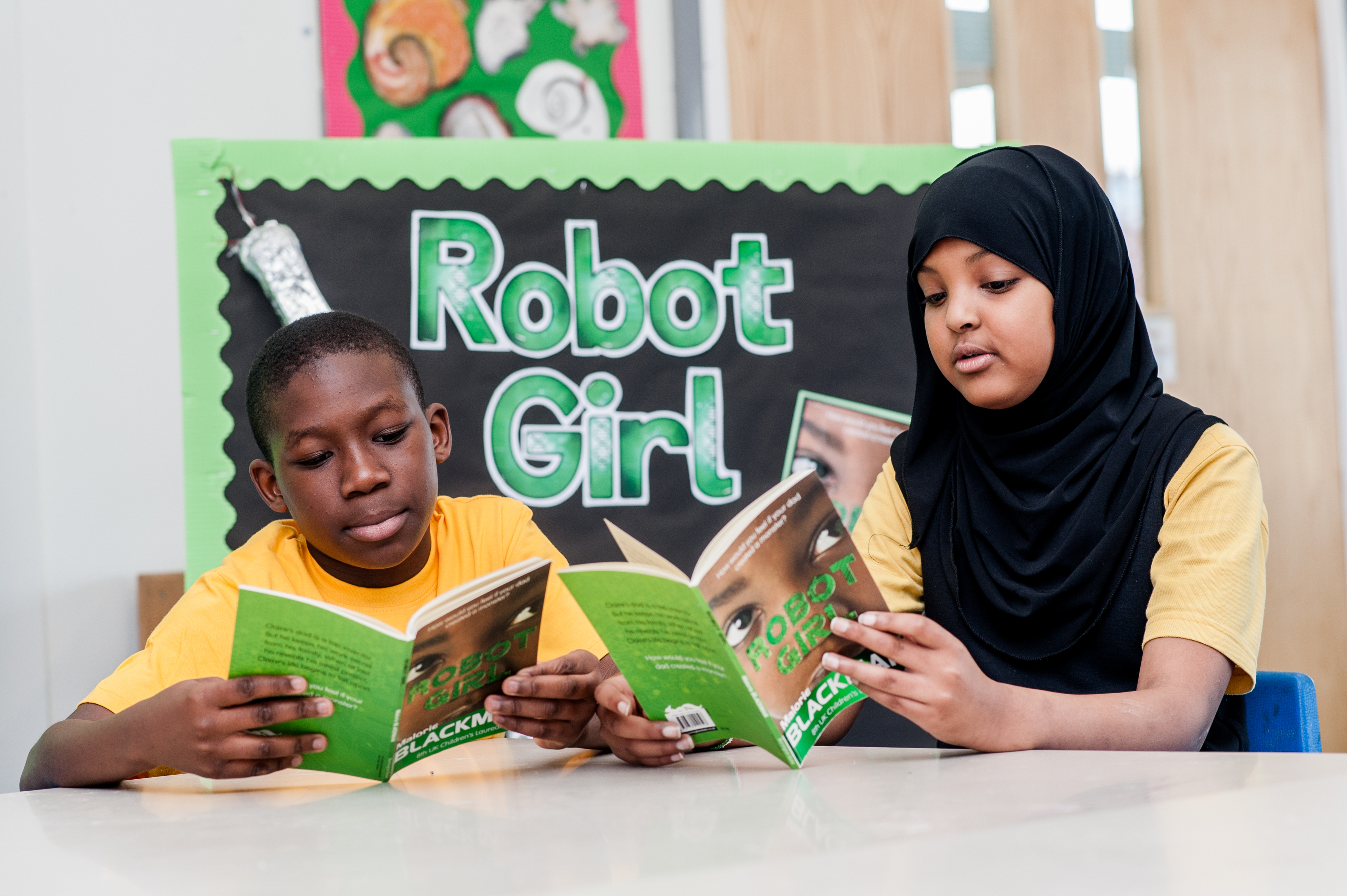
Our Reading Leaves enhance reading comprehension with sequenced activities that guide children through whole books, creating critical readers. They are based upon a broad variety of texts, exposing children to novels, poetry and non-fiction and building understanding across genre and style. Throughout each Leaf, we thread collaborative tasks and oracy opportunities to facilitate meaningful classroom discussions and a shared understanding.
Comprehension is also embedded within our Writing Roots, where prediction, inference and analysis are called upon regularly. Complementing these, our Vocabulary Vines unpack key words and phrases from the same texts, helping children move from recognising vocabulary to truly understanding and using it with confidence in their own writing.
Together, these resources form a cohesive framework that develops deep comprehension, critical thinking, and supports a lifelong engagement with reading.
 |
 |
We’d love to hear from you about literacy myths you’ve been exposed to and overcome as teachers. Please send your suggestions to info@literacytree.com for which myths we should tackle next and you might find yourself featured in Mythbusting round 3!