Written by:

Claire Halstead
Consultant
There are moments in teaching that stay with you long after the books have been marked and the displays have been taken down. One such moment happened to me not in a classroom, but in, of all places, a restaurant.
A former pupil spotted me across the room and came bounding over, full of excitement. “Do you remember when we wrote to Jeremy Hunt?” she asked before I had even managed to say hello. Of course I remembered.
At the time, he was Health Secretary, and our class had been learning about the impact of sugar on health in Science. The children were outraged by the amount of sugar hidden in fizzy drinks and passionately wanted something to change. So they wrote letters. Real letters. Letters filled with facts, persuasive language and genuine concern. Weeks later, every child received a reply from the Health Secretary’s office on headed House of Commons paper.
The thrill in the classroom that day was palpable. Suddenly, writing was not an isolated English lesson or a task to complete before break time. Writing had purpose. It had audience. It mattered.
And perhaps that is the great opportunity offered by writing across the curriculum: children begin to understand that writing is not confined to English books. Writing is how we think, question, explain, persuade, reflect and connect with the world around us.
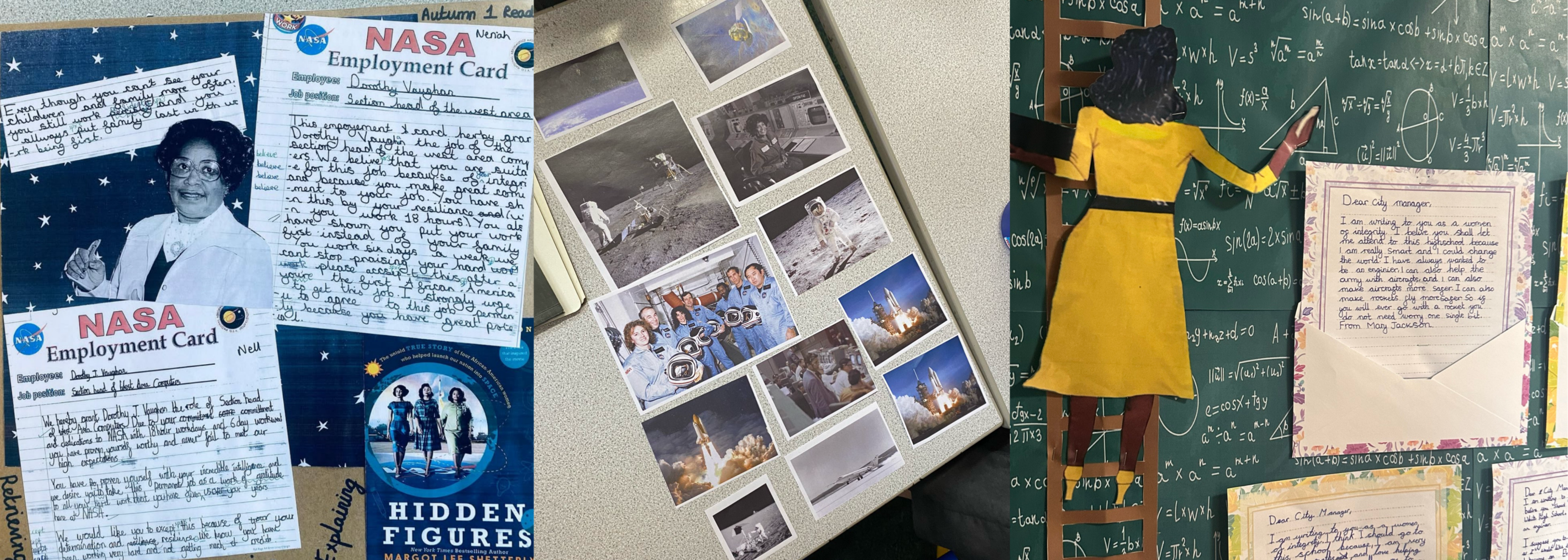 |
When pupils write scientifically to explain a process, historically to argue significance, geographically to justify environmental choices or personally to reflect in PSHE, they are not simply “doing some writing”. They are learning how language works differently within disciplines. They are stepping into the role of scientist, historian, artist or citizen.
Every subject has its own ways of thinking, communicating and constructing knowledge. Writing in Science demands precision and causal explanation; writing in RE may require reflection, comparison and justification; writing in History often asks pupils to evaluate evidence and consider interpretations. In this sense, writing becomes far more than transcription or grammar practice. It becomes the means through which pupils learn to think deeply within a subject.
This is echoed in Section 6 of the government’s Writing Framework, which emphasises the importance of providing meaningful opportunities for pupils to write across the curriculum. The framework recognises that high-quality writing flourishes when pupils can apply their knowledge and skills for authentic purposes in a range of contexts. Writing should not sit in isolation; it should be woven through the curriculum so that pupils can demonstrate understanding, clarify thinking and communicate ideas effectively.
The opportunities this creates for teachers are enormous.
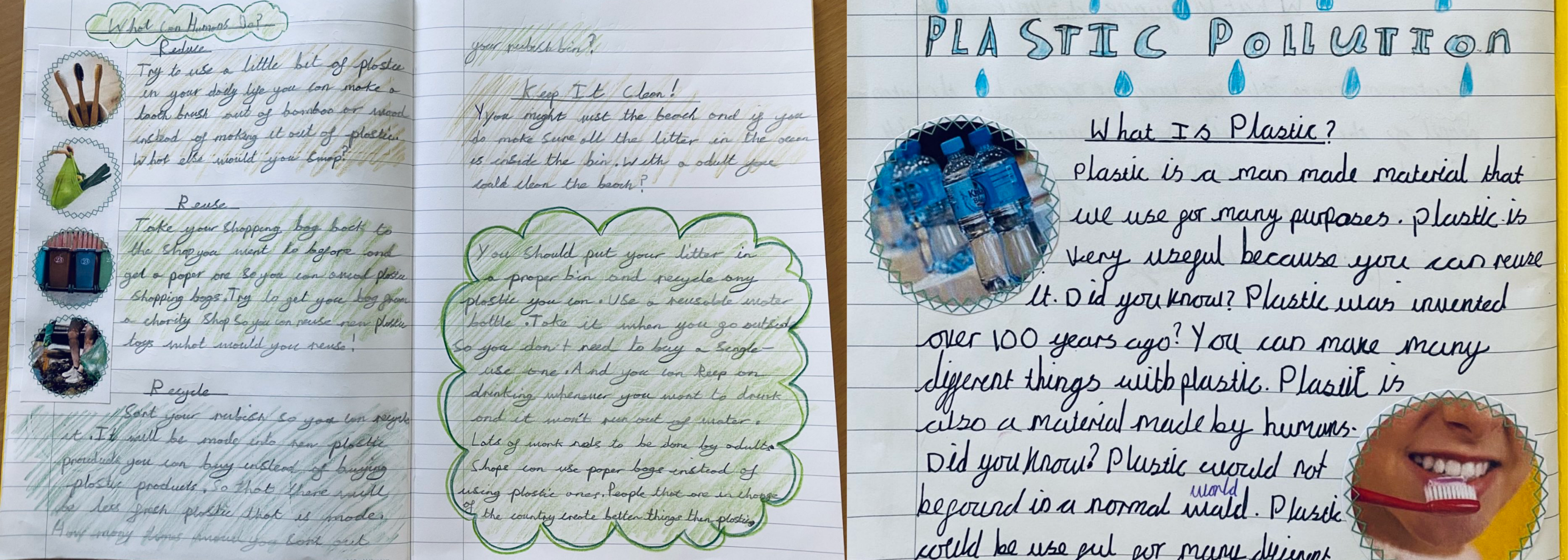 |
In Science, pupils can move beyond simple recording towards genuine explanation and reasoning. A child writing about the water cycle may use causal conjunctions to explain processes, precise technical vocabulary and diagrams annotated with clarity. The act of composing helps them organise and refine their understanding.
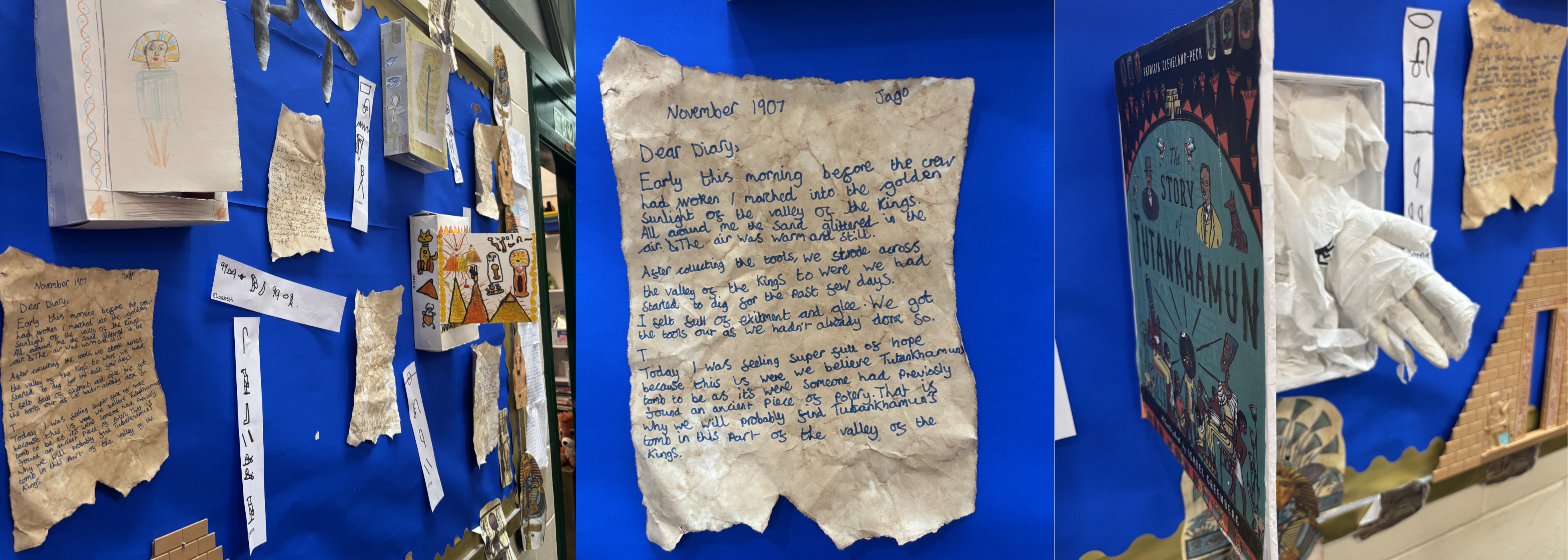
In History, writing can support pupils to grapple with interpretation and significance. Asking children to write a diary entry from the perspective of an evacuee or an argument about the impact of the Industrial Revolution requires them to synthesise knowledge rather than simply recall facts. Carefully chosen writing outcomes allow pupils to demonstrate both historical understanding and growing control of language.
Geography offers similarly rich possibilities. Persuasive letters about environmental issues, balanced arguments around tourism or explanatory texts about natural disasters all encourage pupils to apply disciplinary vocabulary in meaningful contexts. Suddenly, fronted adverbials and cohesive devices are not features to “tick off”; they become tools to communicate ideas with precision and purpose.
And then there is Art, where writing can so often be overlooked. Yet reflective evaluation, critique and interpretation are central to artistic thinking. When pupils explain how colour, texture or composition create effect, they deepen both visual literacy and written expression simultaneously.
 |
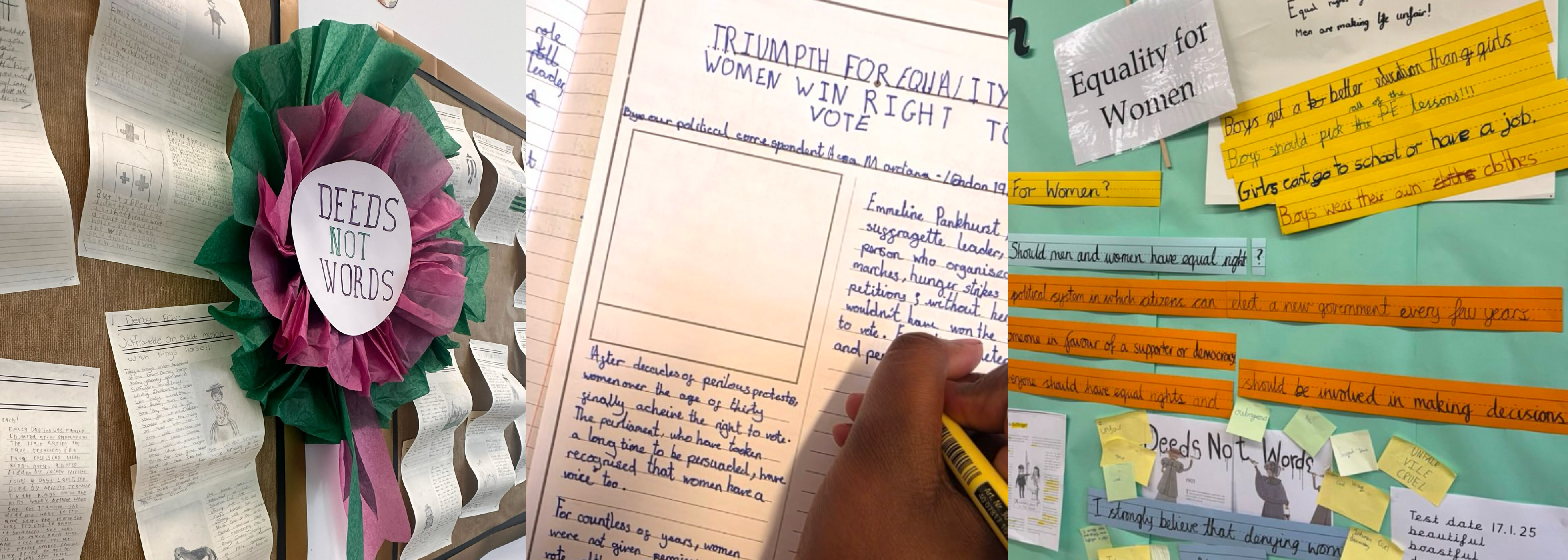
In RE and PSHE, writing offers something even more personal: the chance to reflect, empathise and articulate values. Whether composing prayers, philosophical responses, letters of advocacy or reflections on identity and belonging, pupils begin to see writing as a means of expressing who they are and what they believe.
What matters, however, is that these opportunities are not reduced to tokenistic “cross-curricular writing”. Children quickly recognise when a task is simply an English lesson wearing a History hat. Effective writing across the curriculum emerges from genuine disciplinary thinking. The purpose must belong authentically to the subject itself.
This is where Literacy Tree’s rich, text-driven approach feels particularly powerful. High-quality literature naturally opens doors into meaningful writing opportunities beyond English. A carefully chosen text can ignite scientific enquiry, geographical debate or historical curiosity, creating reasons to write that feel rooted in genuine learning rather than manufactured outcomes. Meaningful cross curricular links with our texts can be explored in our Cross Curricular Coverage document. You can search for texts that have specific links to History, Science, RE and more.
 |
Importantly, writing across the curriculum also allows pupils to revisit and apply the transcriptional and compositional skills taught explicitly in English lessons. Grammar, vocabulary and sentence construction become transferable tools rather than isolated objectives. Children begin to understand not just how to write, but when and why certain choices matter.
For teachers, there is reassurance in this too. Writing does not need to live solely within the constraints of the English timetable. Some of the most authentic, purposeful and memorable writing often emerges elsewhere: in the passionate protest letter, the thoughtful reflection, the scientific explanation or the carefully argued debate.
Years later, children may not remember every SPaG objective we taught, but they often remember the writing that mattered to them. The writing that had purpose. The writing that reached beyond the classroom walls.
And sometimes, if we are lucky, they remind us of that years later in a restaurant.