Written by:
Pippa McGeoch
Senior Consultant
Teachers – you've made it to the end of another school year! And we're sending you off with our annual Summer Bibliotherapy. We know life doesn't suddenly become chaos-free when school's out, but we hope you'll find a few quiet moments to read simply because you want to this summer.
In this National Year of Reading, you've likely spent the year championing reading for pleasure in your classrooms. But it's worth remembering that this isn't just for children. It's something we need to make time for, and protect, in our own lives too. We're sharing some of our favourite children's literature from 2026 so far because children's books have a way of reminding us why we fell in love with reading in the first place.
Dive into the list below for inspiration. You'll soon notice how varied our reading tastes are. Expect poetry collections, novels, picture books, illustrated non-fiction and more. We think there's something here for every kind of reader, whether you're choosing a book for yourself, buying for a little one in your life, or looking ahead to the classroom bookshelf in September.
Happy reading!
Picture Books
Joanna recommends...
|
Broken by X. Fang Throughout the 90s, my siblings and I were sent to our grandparents’ house, who lived in a small, rural, village in El Salvador to spend our summers. They are some of my most cherished childhood memories, where my siblings, cousins and I allowed our imagination to run wild - finding anything to entertain ourselves. However, there were always accidents! More importantly, ones that we would dread Abuelita would find out about. How does one hide a bump on a younger brother’s head? Considering all the times she had warned us not to push him whilst he was on the hammock. It was a difficult one to hide and get away with! When I picked up this book, it transported me to those wonderful summers with my abuelita. |
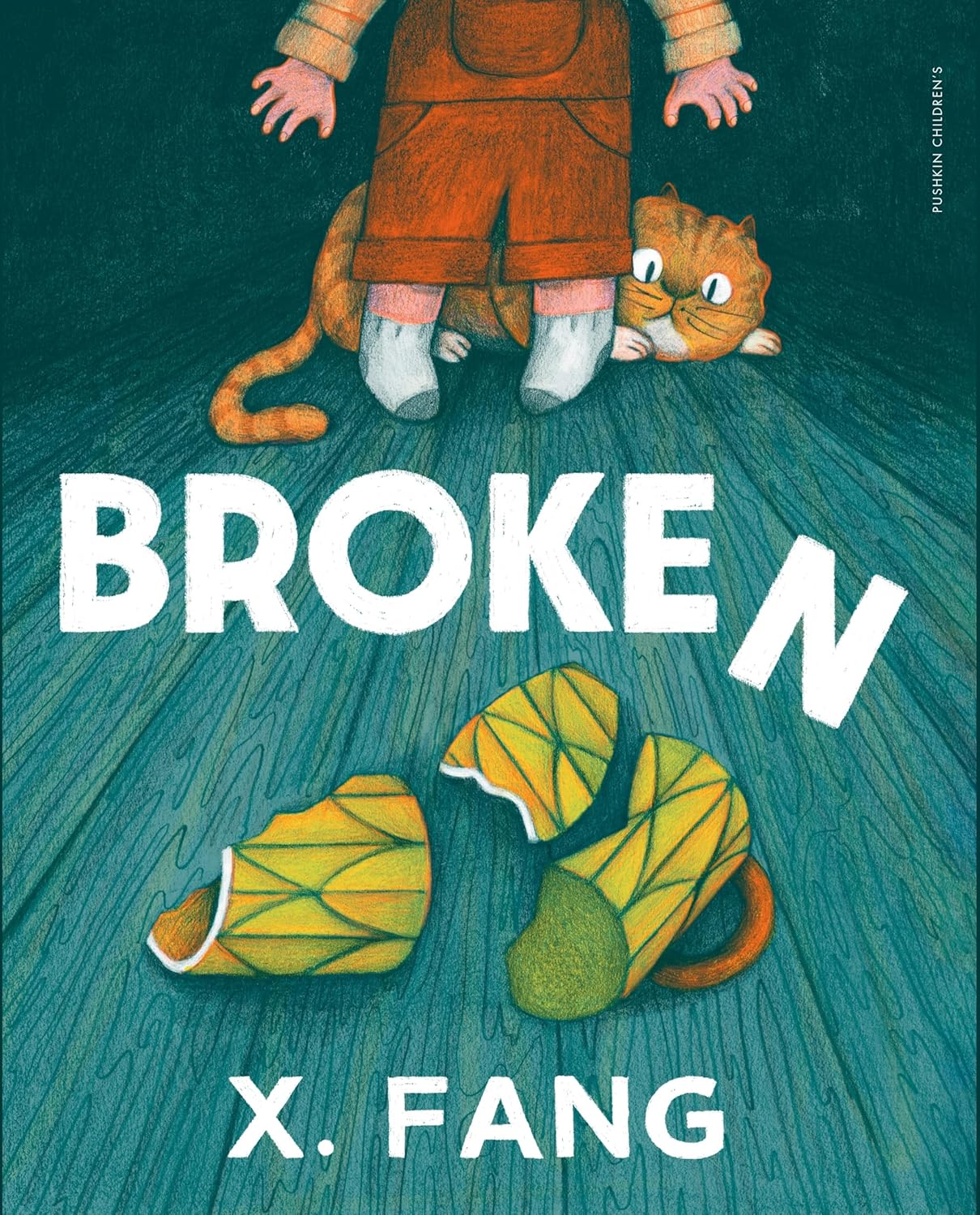 |
A wonderfully written and illustrated book by ‘Dim Sum Palace’ author X.Fang. This book shares a very common problem amongst children (and perhaps some adults), it tells the story of Mei Mei, a little girl who is at her ama’s house. There, she ends up accidentally breaking one of ama’s cups. Luckily for Mei Mei, Mimi (Ama’s cat) gets the blame. However, Mei Mei struggles to hold the truth in; the guilt is too much for her to bear! She discovers that sharing what has happened truthfully allows her to see that there is nothing to be worried about, as in life there are always things to mend.
Jules recommends...
|
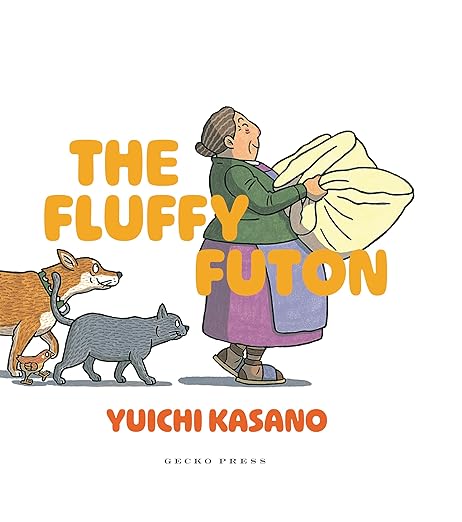
The Fluffy Futon by Yuichi Kasano The story has a familiar, comforting rhythm that reminds me of a Julia Donaldson book, but with its Japanese setting, illustrations and storytelling, it offers children a refreshing glimpse into a different culture. The soft, expressive artwork beautifully captures the peaceful atmosphere, making this a lovely book to share at bedtime or during quiet story times. |
 |
Bronte recommends...
| The Octopus by Guojing (Two Lions, 22 April 2026) Wordless picture books were a relatively new concept for me when I started at Literacy Tree two years ago. It was a genre I hadn’t really engaged with as a child, probably because I had absorbed the idea that once you reach KS2, you’re supposed to “move on” to longer chapter books. Discovering books like The Arrival by Shaun Tan felt completely liberating. I began to understand just how much storytelling, inference, imagination and emotion can sit within a book without words. So, when I saw The Octopus, a new title from Chinese author-illustrator Guojing, I felt immediately drawn to it. Guojing is an award-winning illustrator and concept artist. Her wordless picture book The Only Child, based on her own childhood experiences in China, was named a New York Times Best Illustrated Book. |
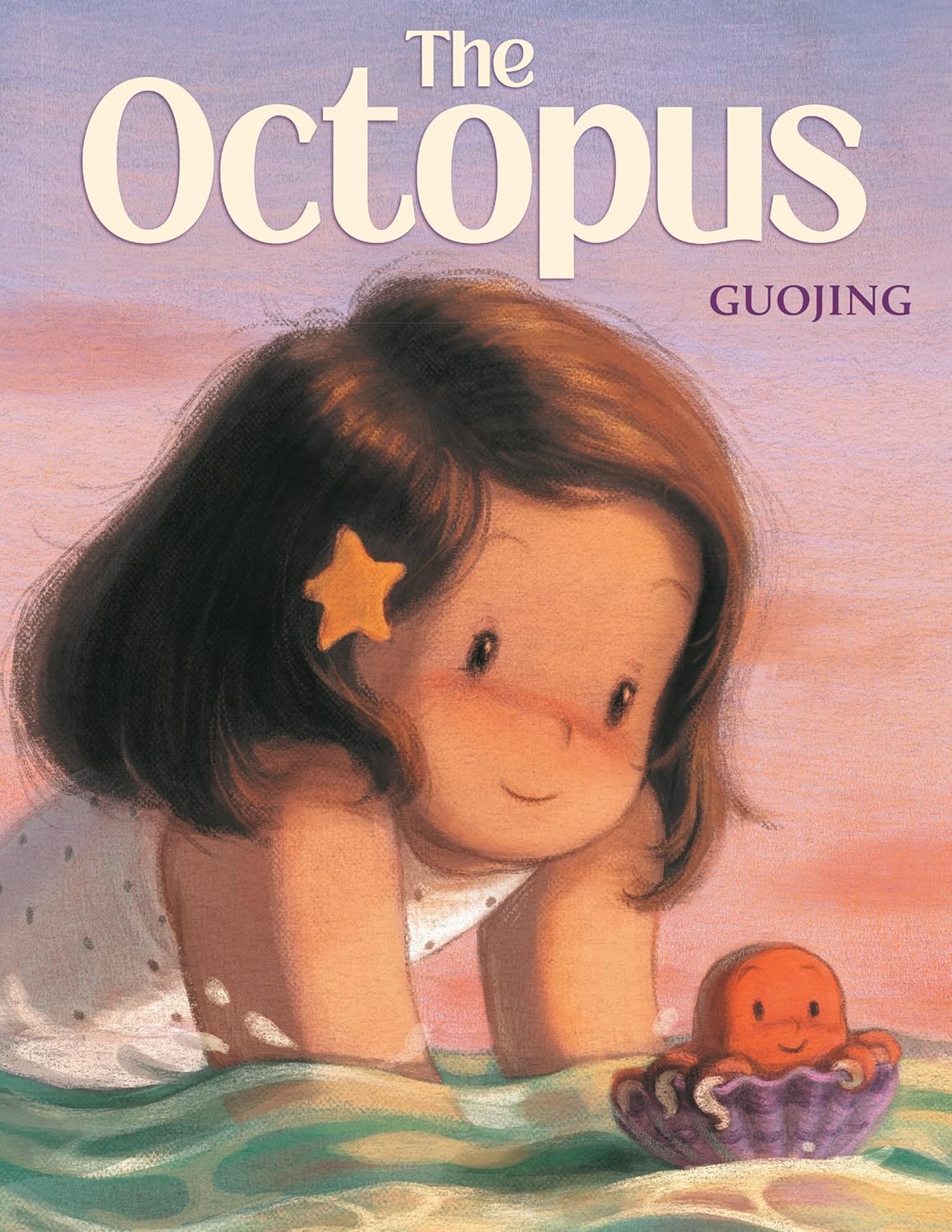 |
The Octopus is a beautiful new wordless picture book exploring environment, stewardship and adventure within a magical, beachy world. A little girl goes to the beach with her mother and finds a tiny octopus tangled in plastic. When she frees its tentacles, a magical spark passes between them, leading her into an underwater adventure. As she discovers the wonders of the octopus’s world, she begins to understand how she can help care for the ocean in her own small way.
The illustrations are simply stunning. Guojing captures the movement of the underwater adventure so fluidly, and every sea creature is full of detail. The colours create a feeling that’s both dreamlike and connected to the real natural world.
I think this would be a perfect summer read for children from EYFS through to Year 2. Different ages would take different things from the story, but all would be able to access the narrative, enjoy the underlying message and lose themselves in the stunning sea-life illustrations.
Claire recommends...
|
Where are you, Eddie? by Michael Rosen, illustrated by Gill Smith For those of us who are familiar with ‘The Sad Book’ by Michael Rosen, we will be all too aware of the raw emotion Michael shares in response to the loss of his son, Eddie. Well, Rosen has written a sequel of sorts and presents his everchanging grief as a conversation between him and his cat, Meg. Eddie loved cats and Michael observes that, ‘cats seem to know a lot…and they often look as though they’re trying to tell me something.’ So, Michael has imagined a conversation about Eddie with his cat. The resulting book is ‘Where Are You, Eddie?’ and is a profoundly moving and ultimately hopeful picture book that explores one of childhood’s most difficult experiences: the absence of a loved one. Through Rosen’s characteristic warmth, honesty and carefully chosen words, readers accompany the author as he searches for Eddie with Meg, his beloved cat. As the story unfolds, it becomes clear that this is a sensitive exploration of grief, longing and the questions children ask when someone they love is no longer there. |
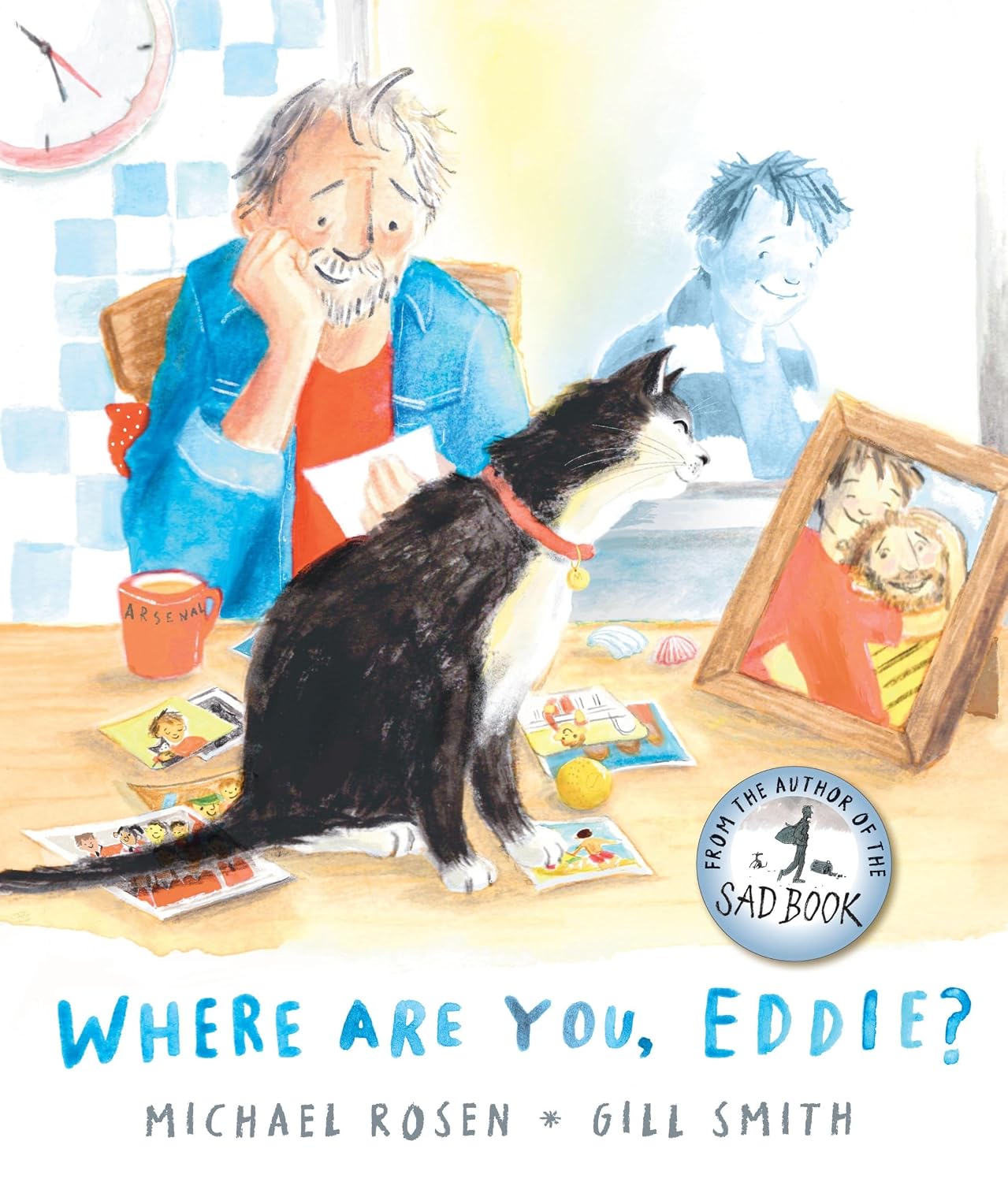 |
Gill Smith’s evocative illustrations work beautifully alongside the text, capturing both the tenderness of memory and the emotional complexity of loss. Together, words and images create space for reflection, conversation and empathy.
Rosen avoids easy answers, instead trusting young readers to engage with complex feelings while offering reassurance through the enduring power of memory and love. For teachers, Where Are You, Eddie? offers rich opportunities for discussion, personal response and emotional literacy. It is an ideal text to support children in recognising and expressing feelings, making connections and developing compassion for others’ experiences. Gentle, thought-provoking and beautifully crafted, this is a book that lingers long after the final page, reminding readers that, in Rosen’s words, “saying it’s the end will stop you seeing what’s there.”
Jess recommends...
|
Ban Ban's Bakery by Elena Hiroko Magee From independent publisher, Do Re Mi Books, and debut author-illustrator Elena Hiroko Magee, Ban Ban's Bakery is my summer recommend read. The adorable, doodle-style illustrations and soft pastel palette drew me in straight away, but it's all the little details that really won me over. I loved spotting the family photos on the fridge, the "No. 1 Gran" mug, and all the tiny touches that make Ban Ban's world feel so cosy and lived-in. The delicious double-page spread of cakes and pastries is enough to make sweet-toothed readers salivate! Young readers will also love how interactive the story is. They can help choose the perfect spot for Ban Ban's bakery, pick their favourite treats, and even join in the hunt for the strawberries needed to finish Ban Ban's special cake. |
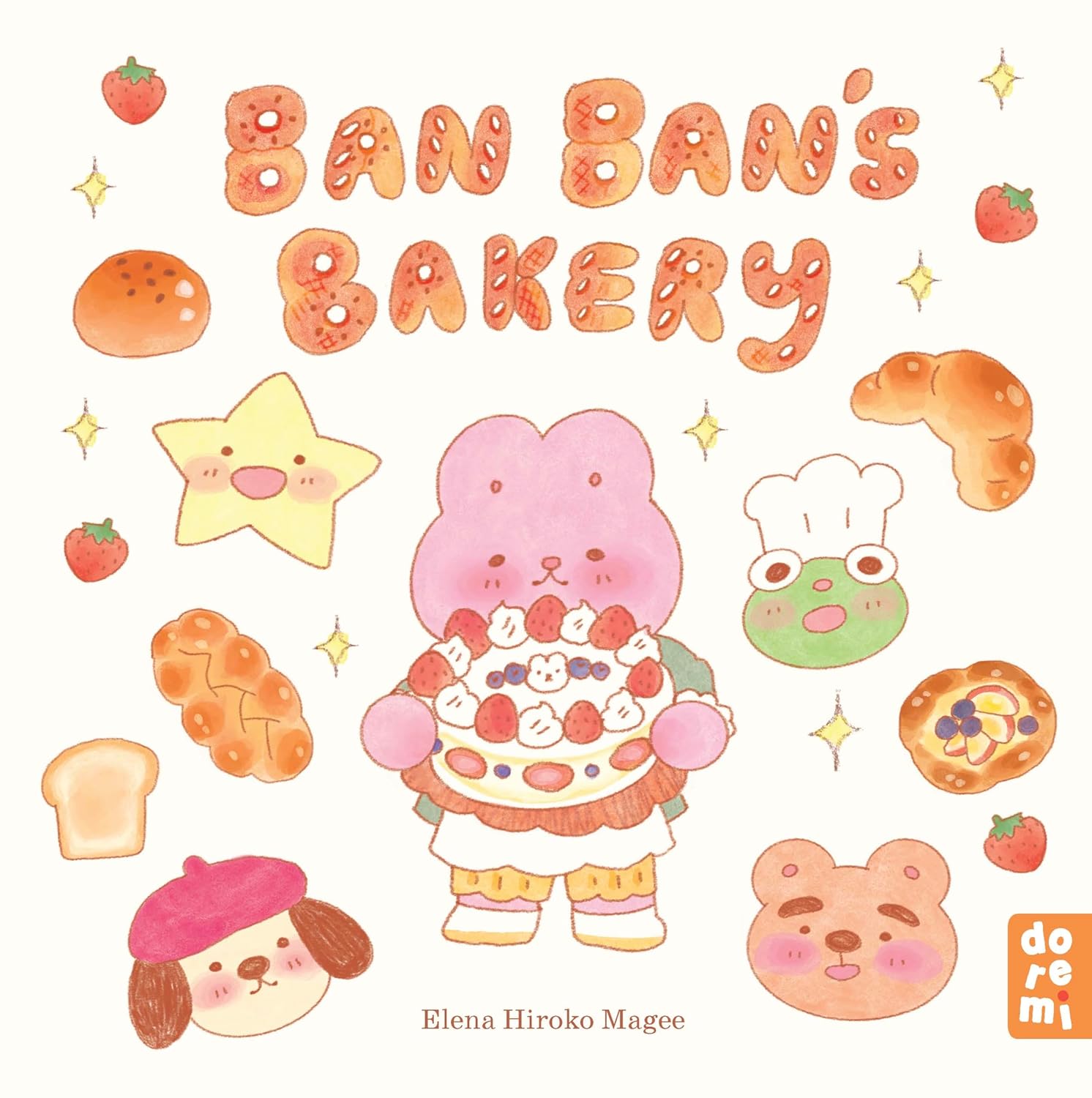 |
Alongside the whimsical artwork and lovable characters is a heartwarming story about family, friendship, and the importance of community.
I know I'll be reaching for Ban Ban's Bakery again over the summer. I can't wait to have a go at decorating my own Ban Ban cake using the recipe included at the back.
Non-fiction
Anthony recommends...
|
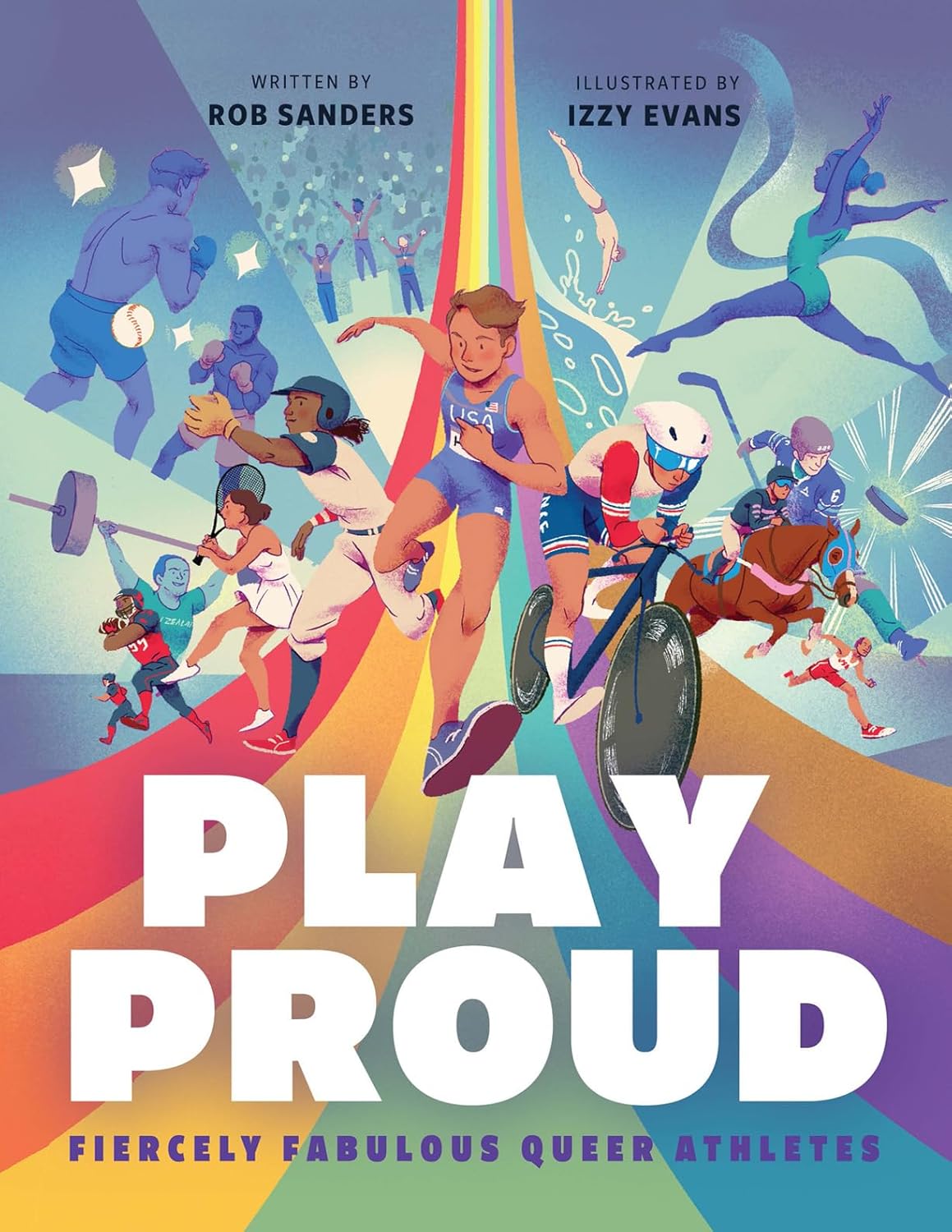
Play Proud by Rob Sanders, illustrated by Izzy Evans We're already huge admirers of both Rob Sanders and Izzy Evans at Literacy Tree. Rob's Stonewall: A Building. An Uprising. A Revolution. and Pride: The Story of Harvey Milk and the Rainbow Flag have long been favourites for the way they make LGBTQ+ history accessible, engaging and inspiring for young readers, while Izzy Evans completely won us over with the joyful, imaginative and heartwarming My Mummies Built a Treehouse. So, when we discovered Play Proud, it immediately found a place on our summer reading list. This vibrant picture book celebrates LGBTQ+ athletes past and present, introducing children to a wonderfully diverse range of sporting role models through energetic, rhythmic text and bold, expressive illustrations. Sanders' writing moves along in beautifully crafted couplets, creating a sense of momentum and celebration that mirrors the determination and achievements of the athletes featured. |
 |
We often champion the importance of children encountering a wide range of poetic forms, and Play Proud is a fantastic example of how poetry can be used to communicate real lives, real stories and real achievements. There is something particularly powerful about seeing non-fiction presented in this way; the rhythm draws readers in while the content broadens their understanding of history, identity and representation.
Evans' illustrations burst with colour, movement and joy, perfectly complementing the uplifting tone of the text. The book is also supported by a really useful glossary of LGBTQ+ terms at the back, helping readers build their understanding of key vocabulary. Alongside this is an athlete line-up that provides further information about each of the sportspeople featured, making it easy for curious readers to continue their learning and discover more about these inspiring individuals.
I would recommend Play Proud to anyone looking to expand their non-fiction collection with a text that offers rich poetic language, meaningful representation and opportunities for further exploration. It would work brilliantly in classrooms, libraries and homes alike, particularly for children who love sport or are beginning to explore themes of identity and inclusion. This summer, I'll be sharing it with my nibling, and I can't wait to read it with them and talk about the incredible athletes featured and enjoy the joyful, celebratory spirit that shines through every page.
Chloe recommends...
|
The Shipwreck Atlas by Jo Arnold and Philip Harris When summer arrives it always feels as though there’s more time to read and I feel a pull towards the ocean. The Shipwreck Atlas is the perfect companion because not only is it ocean themed – diving below the depths of the Seven Seas to discover more about underwater wrecks – but you can dip in and out of it as you like. Jo Arnold has carefully crafted a story of sunken ships that will captivate the minds of readers both young and old(er). With roughly 80% of the world’s ocean yet unmapped, it’s an intriguing glimpse into what lies beneath. There are detailed facts about familiar wrecks, such as the RMS Titanic, and thoughtfully written pages about fated vessels with links to colonialism. Indeed, any references to underwater wrecks are written responsibly, with consideration given to many being graves or crime scenes. |
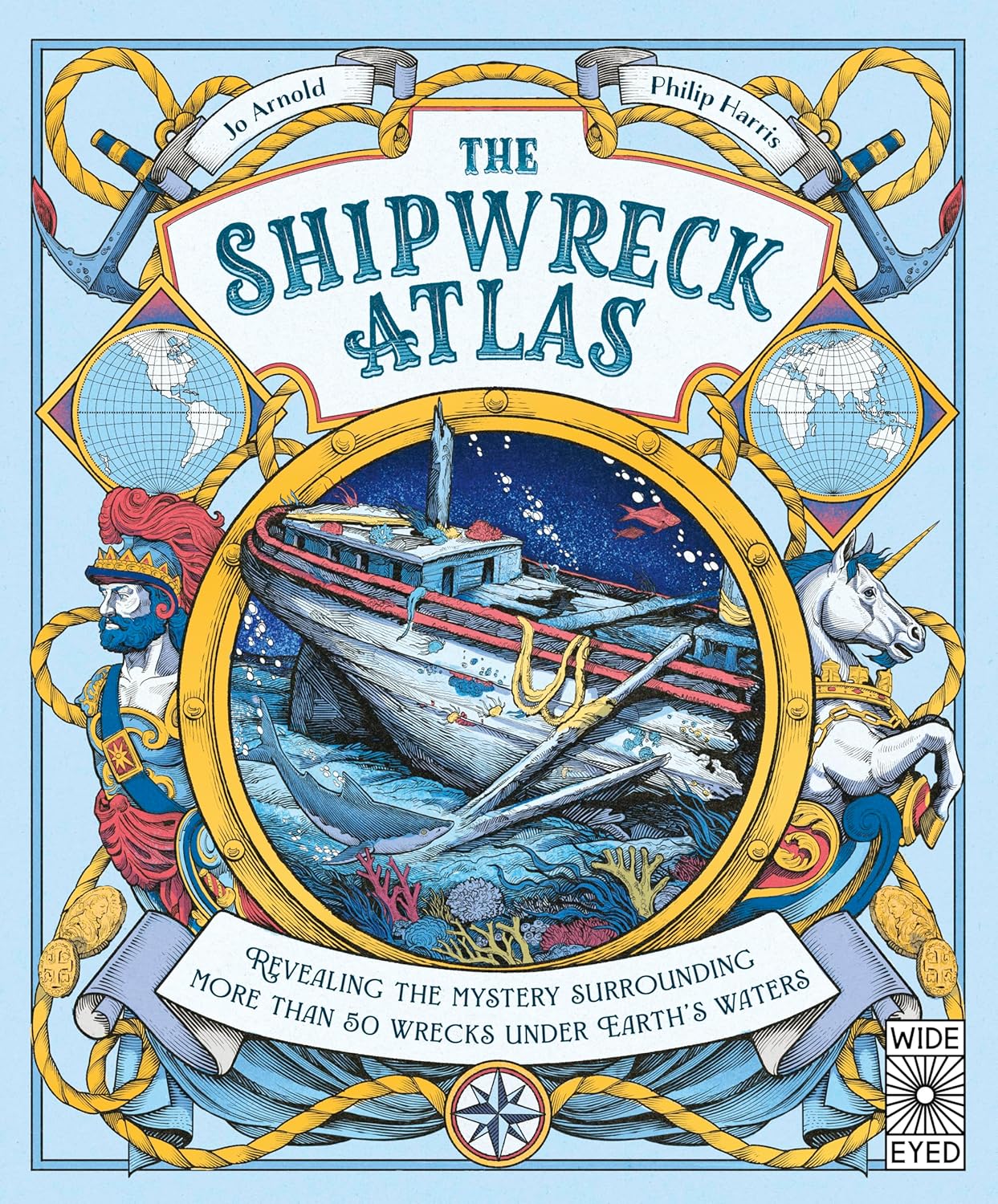 |
The striking colours in the design of this book, the hardback cover with its stunning illustrations and beautiful endpapers, make it a treasure as well as a reading delight. Philip Harris uses his distinctive style to illustrate this book, expertly bringing to life the ships, maps, landscapes and discoveries.
The author herself is passionate about books, and this shines through in the care and attention that has been taken in the creation of The Shipwreck Atlas. A truly stunning non-fiction book to add to your summer reading pile. I’m recommending this book for the budding marine archaeologists, the curious minds and anyone looking for something special to dive into this summer.
Pippa recommends...
|
Scream (if you wanna go faster) by Peter Morris and Roozeboos In this glorious publication, worthy of display upon any coffee table, the history and science of amusement parks is explored. By way of introduction, the reader is invited to ‘Hold on tight’ because ‘the ride starts here.’ We’re then introduced to the fact that both the fun and fear that can be experienced when hurtling at high-speed along a rollercoaster track or whirling at at a velocity that humans perhaps shouldn’t whirl at, is a deliberate scientific pairing…The ‘miracle of steam’ and its roots in the Industrial Revolution is explained tremendously effectively: there are cogs and cranks, pistons and power. We’re also introduced to the so-called ‘father of the fairground ride’, Frederick Savage. Bored of ploughs and all things farming, his real passion lay in inventing fairground rides… he realised that horse-powered rides could be bettered by the introduction of steam-power. |
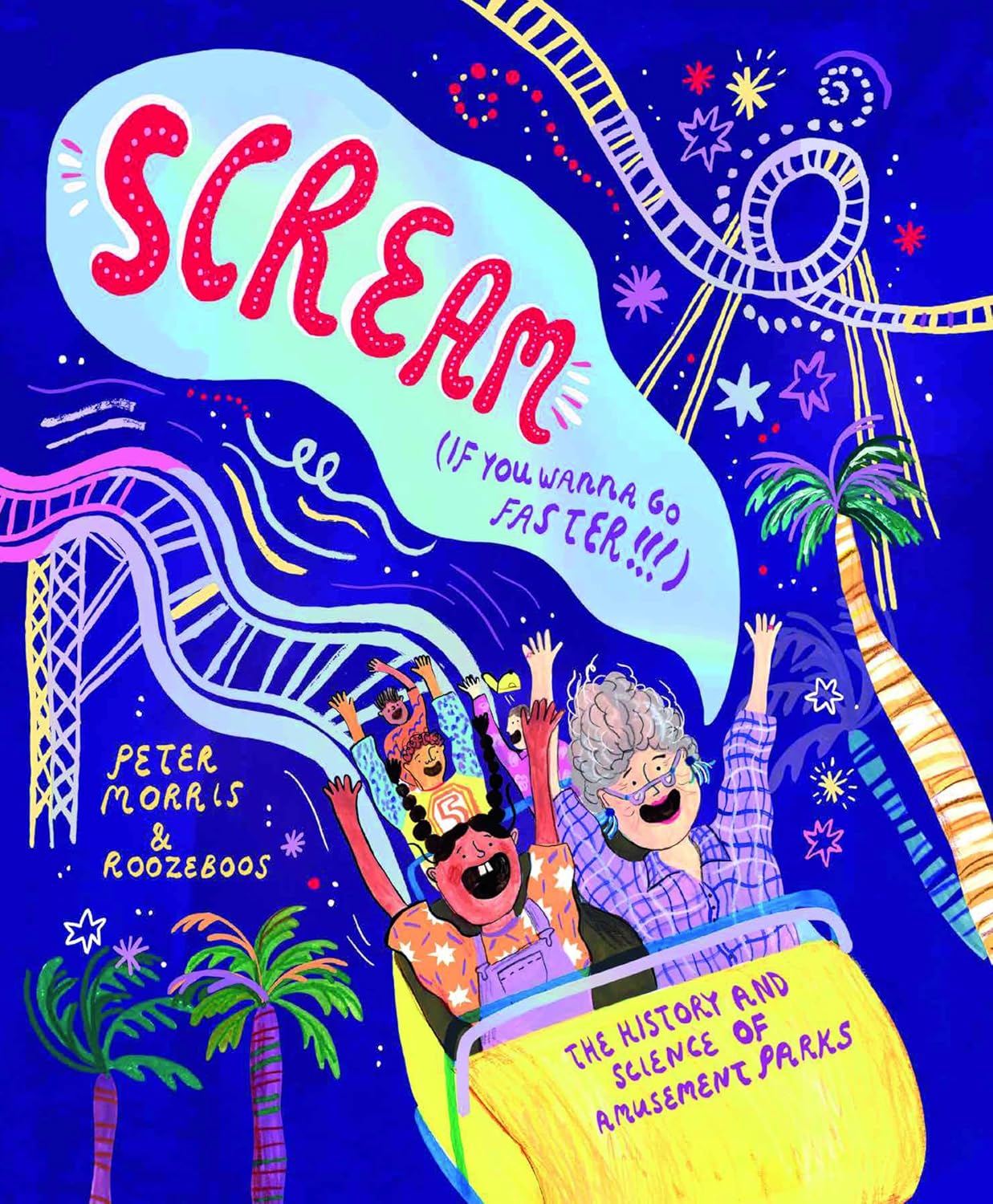 |
There’s also a section on rollercoasters with 3 double-page spreads focusing solely on these from the first wooden ones to more modern versions. The book - with its gorgeous pastel hues - is rich with not only the historical and scientific content, but also vocabulary. This will likely inspire children to consider the science behind many popular attractions that they may visit this summer. Particular links could be made to the Blists Hill museum in Shropshire; the Black Country Museum in Dudley and Beamish, which is just outside of Newcastle. Pleasure beach, travelling fair and theme park visits could also be brilliantly enhanced by sharing this book with children of all primary school ages before an outing. A perfect summer read for the whole family!!
Michael recommends...
|
B is for Bibliophile by O.E. Zelmanovich and illustrated by Lauren Simkin Berk B is for Bibliophile is a joyful, visually rich celebration of books and reading, offering an invitation into the world of publishing and books. Presented as an alphabet of literary delights, each page of this compendium pairs a letter with a publishing concept or bookish facet that will inform and delight book lovers, young and old alike. The text is intentionally concise, allowing the illustrations to take centre stage. This balance offers plenty of opportunities for children to learn, infer, explore and make meaning through visual narrative as much as through written language. It is very much a book that rewards returning to time and again; you will undoubtedly spot something you missed previously, such is the richness of the artwork (hint: take a peek beneath the dust jacket!) |
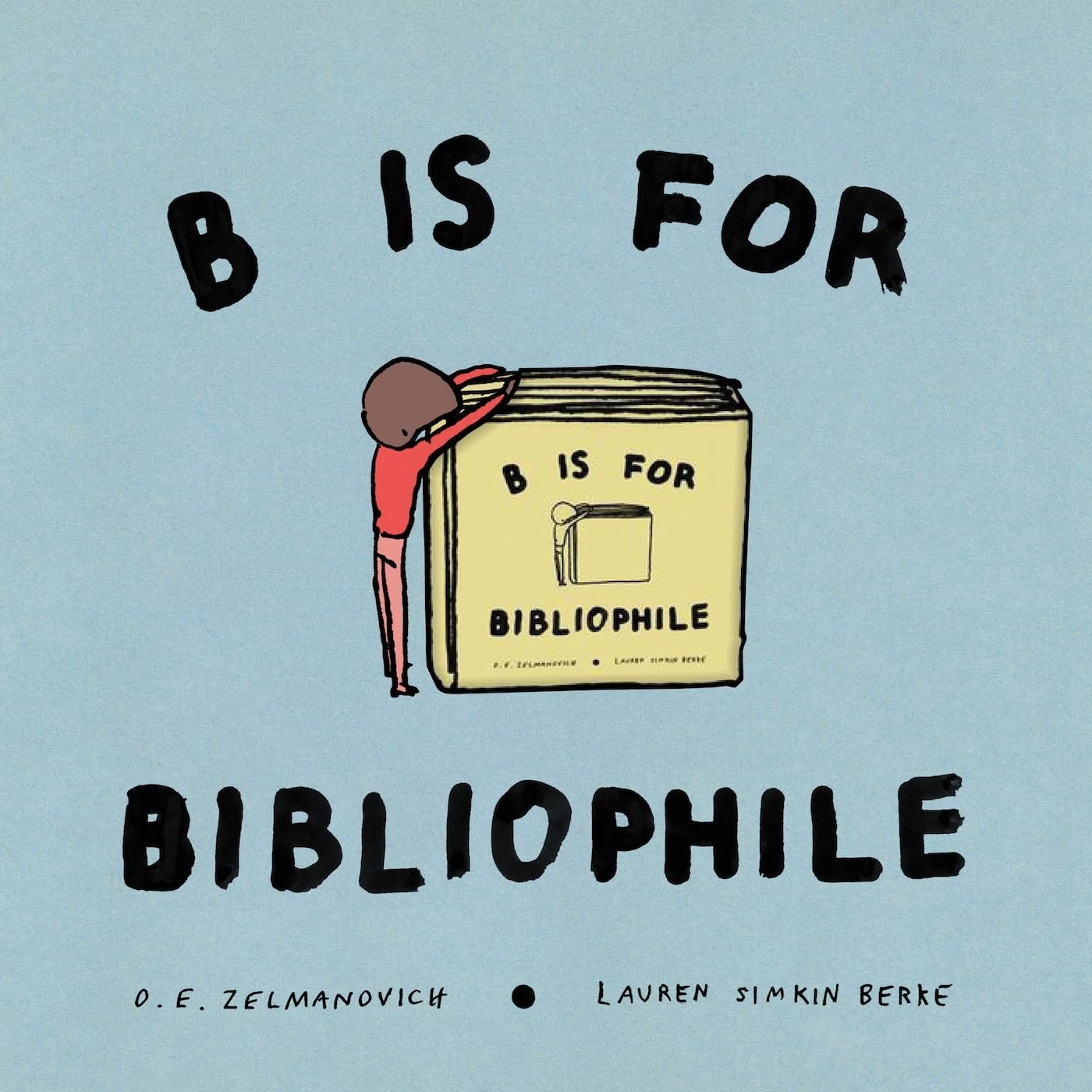 |
What makes the book particularly intriguing and rewarding is its playful meta-literacy, or celebration of book culture. Children encounter ideas and concepts such as annotations, bindings, collections and ephemera - terms that extend vocabulary while remaining accessible through context and imagery. The artwork is warm, detailed and inviting, encouraging close examination and discussion. It is a text that naturally lends itself to book talk.
I enjoyed reflecting on the many ways books shape our lives and learned lots of publishing related facts, terminology and history. It would make an ideal springboard for projects about libraries, publishing, personal reading journeys or the creation of class book corners. A charming, thoughtful addition to any literacy-rich environment, it is dotted throughout with cross-curricular references and interesting discussion points.
Oh, and did I mention the comma-headed character named Guy who guides the reader through every page? Delightful!
Poetry
Lynn recommends...
|
They Sent a Cat to Saturn by Valerie Bloom and illustrated by Ken Wilson-Max Hats off to Charlotte Hacking and Otter-Barry Books for curating a collection that feels both joyful and deeply authentic. Valerie Bloom’s poetry has always balanced warmth, humour and honesty, and this anthology celebrates the richness of Jamaican voices alongside poems on all manner of subjects, in all shapes and sizes. Every poem has a distinct personality, inviting readers to laugh, reflect and recognise something of themselves. |
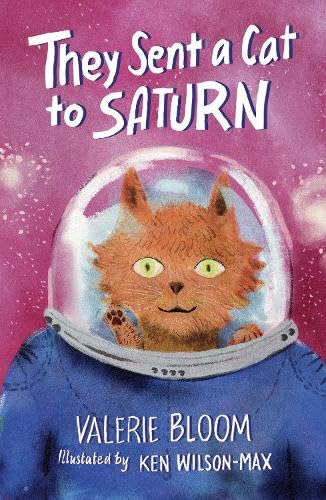 |
There are so many nattily named poems, and wordplay and puns are in abundance (Brave New Words!), but every poem offers something fresh. My favourites include Rumbled, with its wonderfully observed tale of a boy determined to impress his cousins with his newly learned lingo, and the advice poems, especially Taking a Poem from Page to Stage. I also loved Look for Me, which is the kind of poem you want to send to a friend (I already have), and A Poem Can, which simply begs to be shared aloud as a call to action before writing. Ultimately, it’s a collection full of heart, humour and humanity, one that deserves a place in every classroom.
Chapter Books
Hannah recommends...
|
The Ministry of Manners by David Solomons and illustrated by Hazem Asif This dystopian middle-grade novel centres on siblings Alfie and Margot Hawthorne as they grow up under the rule of the Ministry of Manners. In this society, politeness isn’t just encouraged – it is the law. At first, a world where everyone is polite might sound wonderful. But what happens when politeness stops being about respect and instead becomes a tool for control? When Margot’s increasingly outspoken resistance to the regime leads to her being taken away by the Ministry, both she and Alfie are thrust into a dangerous world of inner conflict, underground resistance groups and unexpected family secrets. |
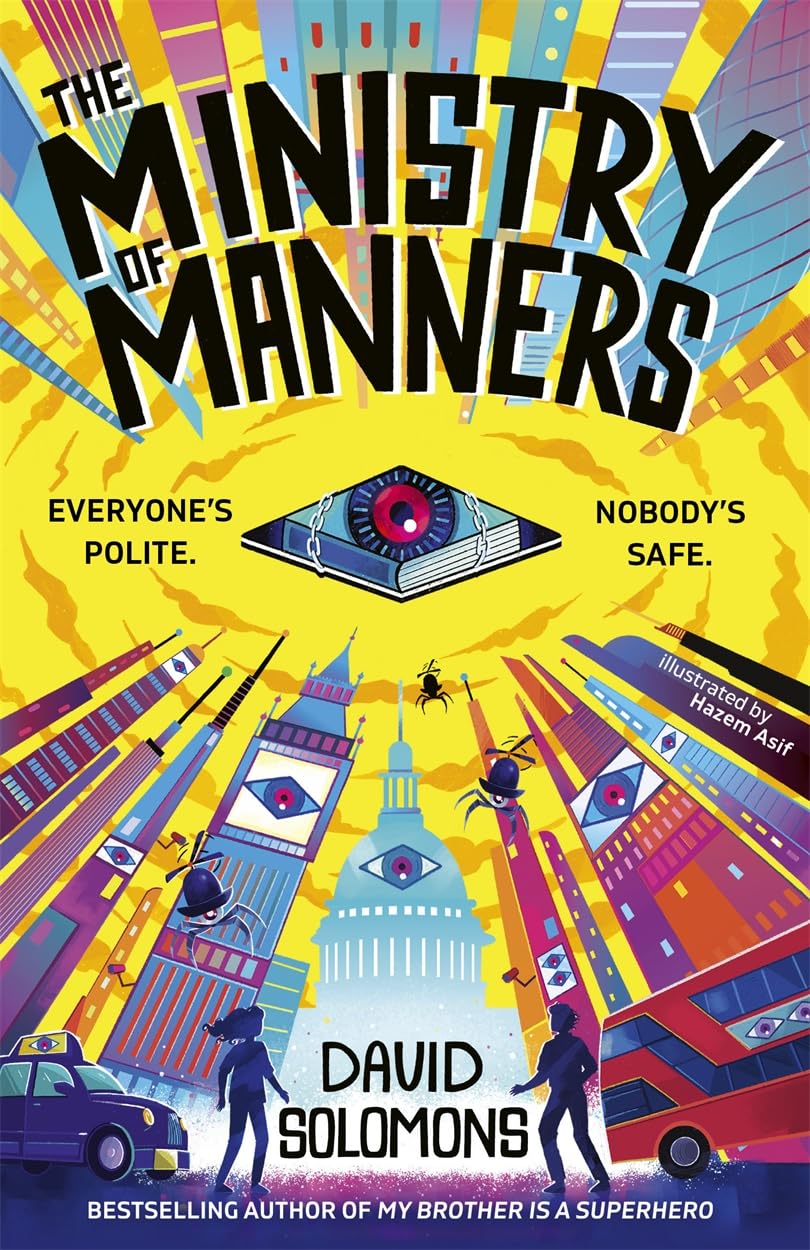 |
Perfect as a summer read for dystopian fiction fans or as an Upper Key Stage 2 class read to launch a new school year, this novel also makes a brilliant gift for the 10-12-year-olds in the life of any adult who loves 1984 by George Orwell. Fast-paced, adrenalin-fuelled and thought-provoking, it offers plenty of opportunity to explore the cost of quiet compliance and the courage it takes to question the status quo.
Nicholas recommends...
|
Max and Ella, Stuck Together by Kristina Rahim Max and Ella, Stuck Together by Kristina Rahim is a heartfelt and engaging middle-grade novel that explores family, identity, friendship, and belonging. The story follows Max, who has just completed his first year of secondary school and is preparing to meet Hari, the man who was the donor for his two mothers, for the first time, and Ella, who is preparing to move up to secondary school and is Hari’s daughter. When their lives unexpectedly become connected, both children struggle to understand what this new relationship means. Their different personalities lead to conflict at first, but as they spend more time together, they begin to appreciate each other's strengths and form an unlikely friendship. |
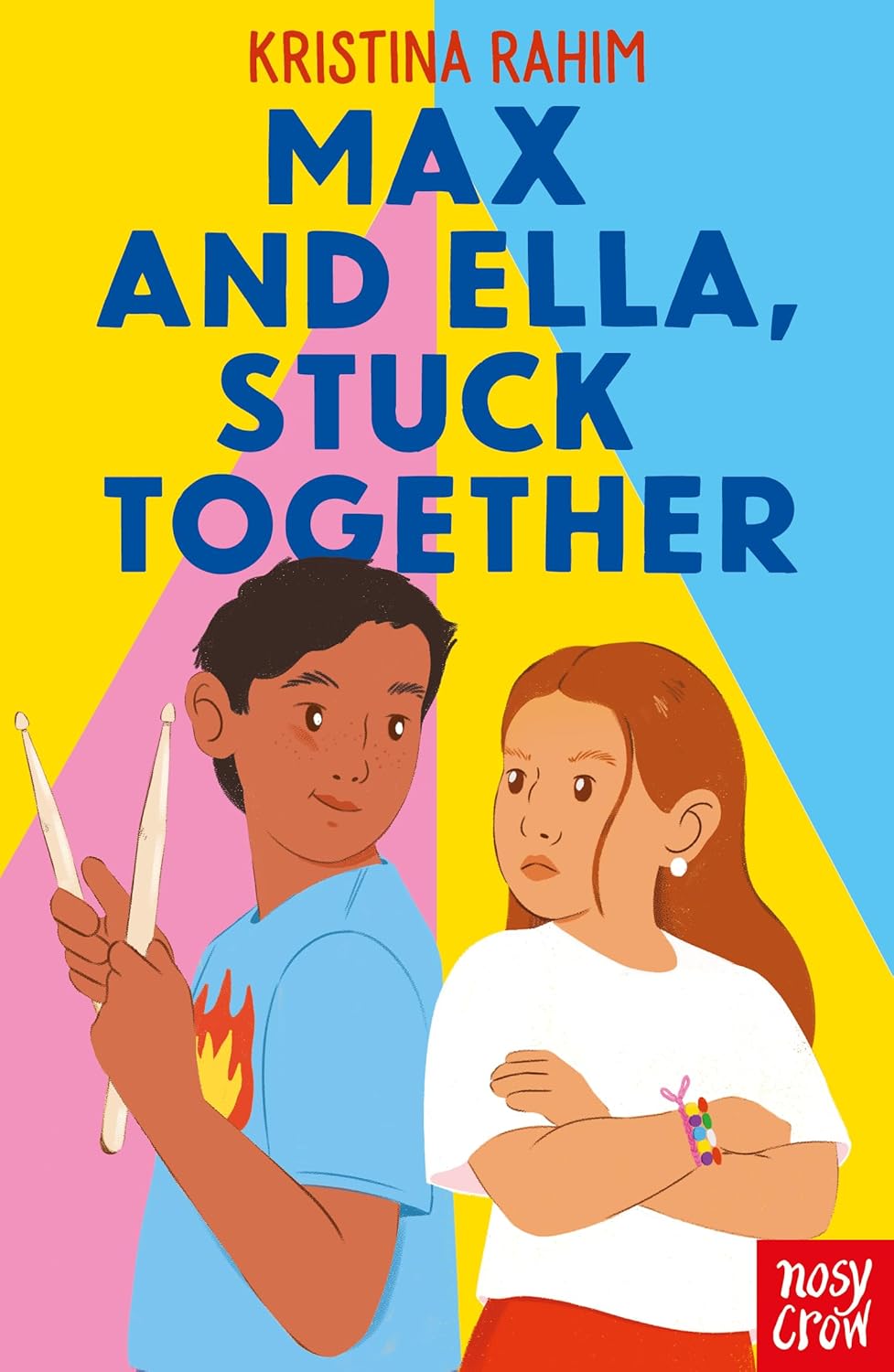 |
Rahim handles complex themes with sensitivity and humour, making topics such as donor conception, bullying, family relationships, anxiety and self-acceptance accessible for younger readers. The characters are realistic and easy to relate to, and both Max and Ella experience meaningful personal growth as they learn to trust one another and embrace their unique family situations. The story is well-paced, with a balance of emotional moments and light-hearted scenes that keep readers engaged. Overall, Max and Ella, Stuck Together is an uplifting and thought-provoking novel that encourages empathy, understanding, and the idea that families can be formed in many different ways.
Alice recommends...
|
The Missing Magic of Sparrow Xia by Leia Ham When students mysteriously start losing their magic to the so-called "Magedrain Fever," Sparrow is convinced there's something more sinister at play. With her new friends, Lyndon and Orla, she sets out to uncover the truth. I loved spending time with this sleuthing trio and can't wait to follow their next adventure in Book 2. Now comes the hard part: patiently waiting until 2027, when we as readers will be invited back to Zenith Academy. |
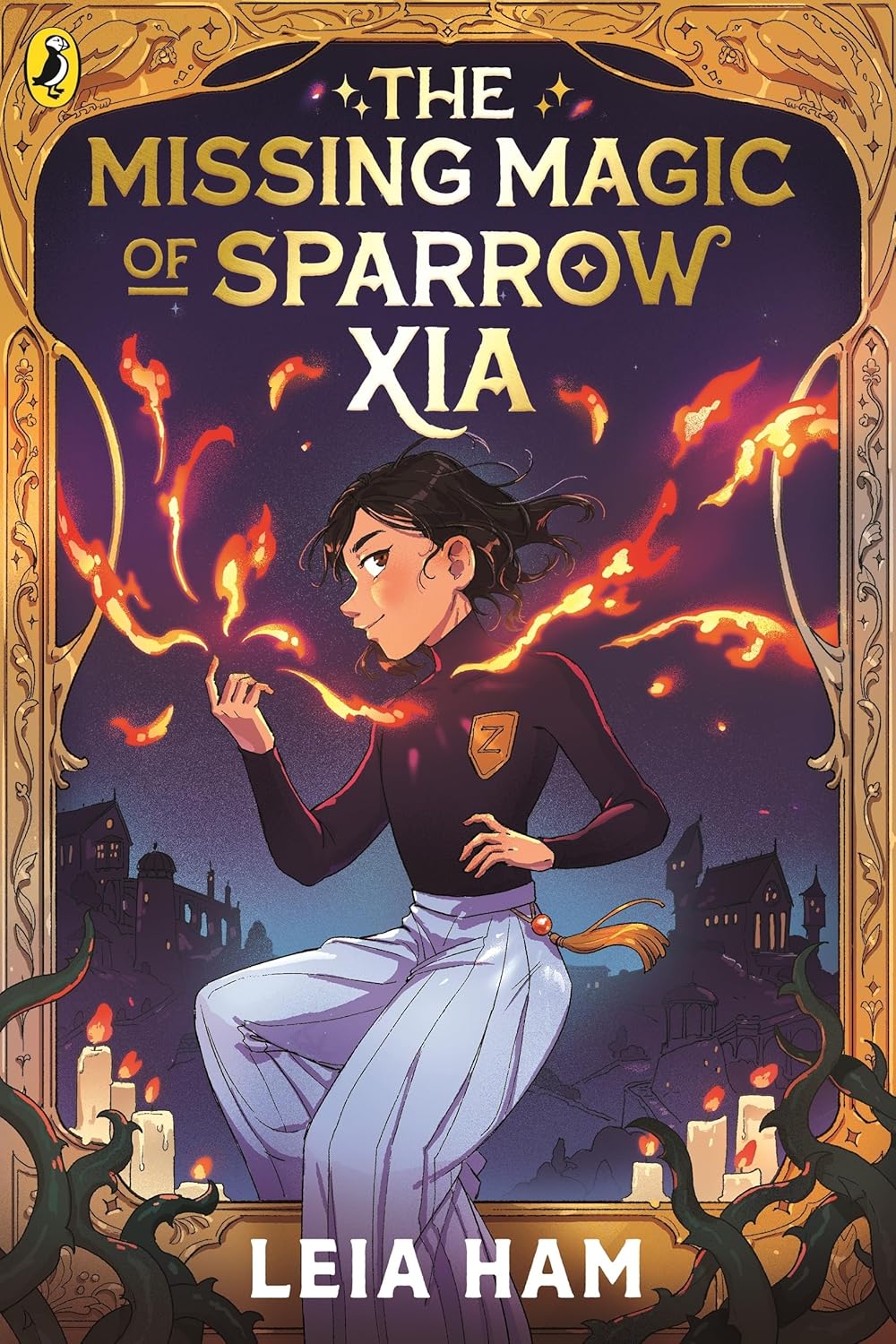 |
Read this if you enjoy creative magic systems, mysteries, boarding school settings, and headstrong protagonists. Ham’s expressive illustrations appear throughout, supporting the reader’s imagination and helping the characters leap off the page. Ideal for Year 6s over the summer as they navigate the exciting – but often daunting – transition to a new school.