A Story Sapling for
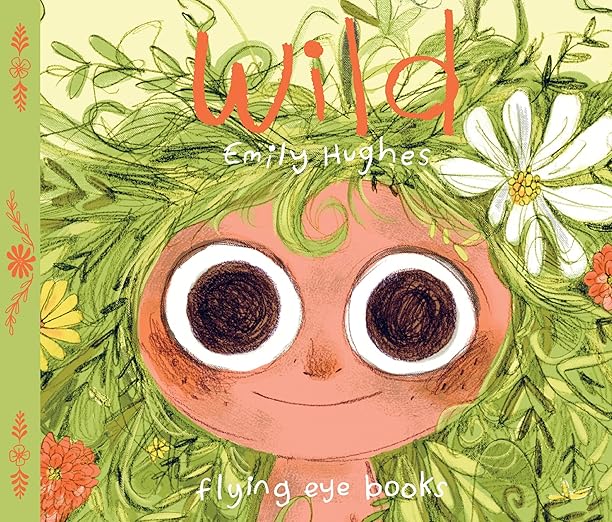
Wild
By Emily Hughes
Main Outcome:
Animal description poems
Length:
5 stages , 2 weeks
Additional Outcomes:
Labels, how to captions or sentences, thought bubbles, signs
Overview and Outcomes:
Children begin the sequence by considering what it means for something to be wild, they take a wild walk and identify items that belong in the wild. Back in class, they compile these or photos of these on a curiosity table and add labels. In the following stage, children see the wild girl in the book being taught to catch fish and they write their own guides for catching fish in case they find themselves in the wild. Children then speak in role as the character, composing thought bubbles and exploring language that identifies her feelings. Using this understanding, they create signs to show her how to play. Finally, children explore the vocabulary for describing wild creatures and use this to create short poems on animals.
Synopsis of text:
In Emily Hughes’ beautiful picture book we meet a little girl who has known nothing but nature from birth – she was taught to talk by birds, to eat by bears and to play by foxes – she is unashamedly, irrefutably, irrepressibly wild. That is, until she is snared by some very strange animals that look oddly like her, but they don’t talk right, eat right, or play correctly. She’s puzzled by their behaviour and their insistence to live in these strange concrete structures known as ‘apartments’. There’s no green here, no animals, no trees, no rivers. Now she lives in the comfort of civilisation. But will civilisation get comfortable with her? Wild is a 21st century response to Maurice Sendak’s children’s classic, Where the Wild Things Are. Awash with colour and full of atmosphere, it offers visual treats to enchant children and indulge their wilder tendencies.
Text rationale:
A beautifully illustrated story of a wild girl that has trouble fitting in with the expectations of the human world. In her forest home, she has everything she needs including a family of animals, she is accepted and understood but after she is taken by humans that try to teach her to be human she becomes increasingly miserable. Emily Hughes’ quirky yet classic illustrations makes the book feel both familiar and strange. Children will identify with the feeling of expectations and the idea of taming their wild sides.
Resource written by:
Jess White
Senior Resource Developer
Related resources
Story Sapling
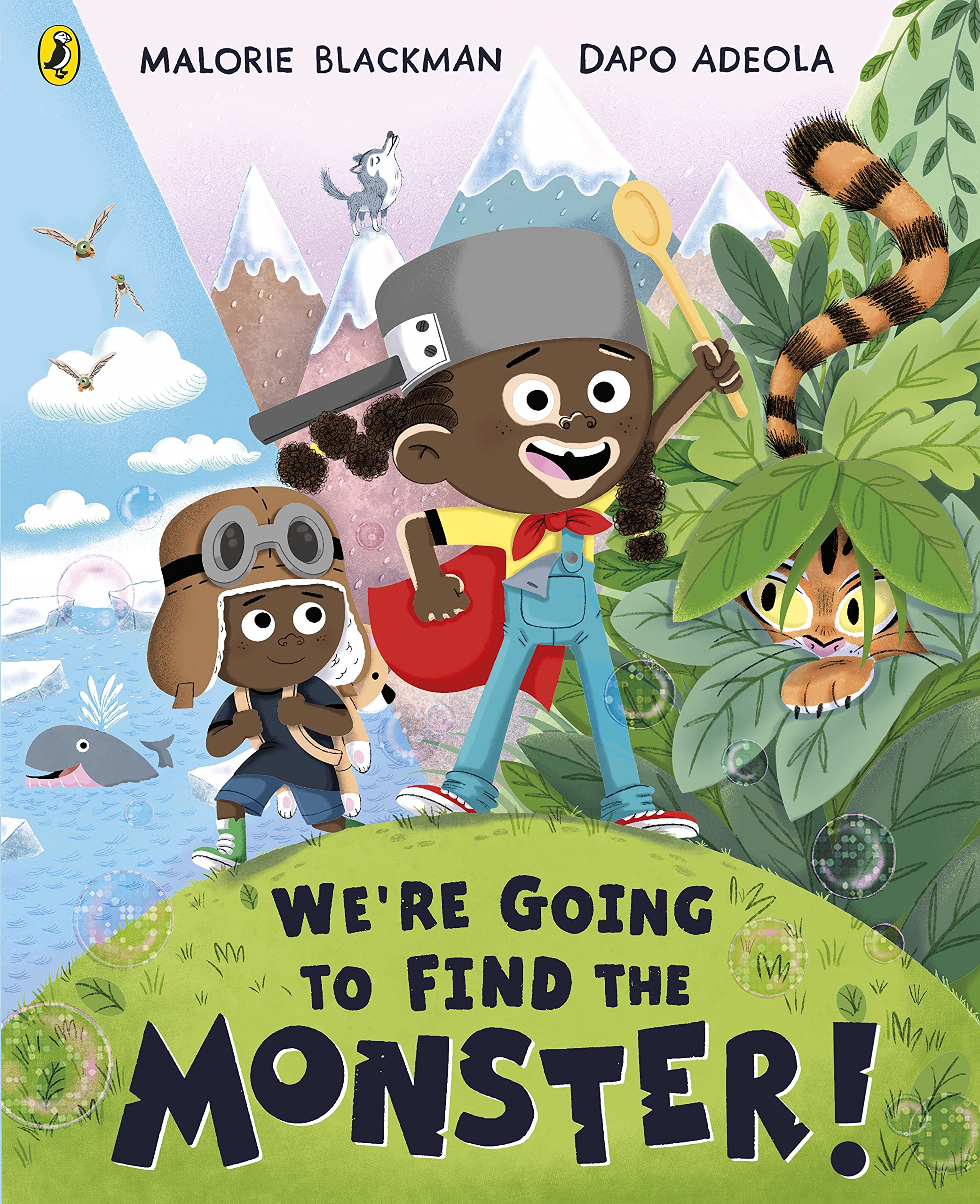
We're Going To Find The Monster
R & KS1 Reception Outside Inside
Story Sapling
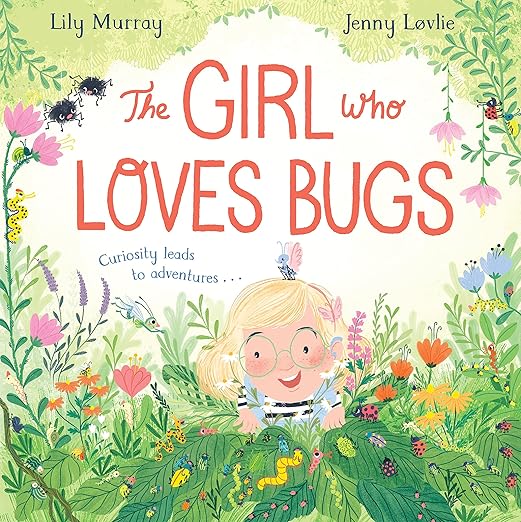
The Girl Who Loves Bugs
R & KS1 Reception Family & Friends
Story Sapling
Confetti
R & KS1 Reception Seasons & Cycles