 |
Intent
At our school, we wanted an English curriculum that would provide consistency, progression and high-quality learning opportunities for all pupils while fostering a genuine love of reading and writing. As a growing school, it was important to adopt an approach that supports teachers in delivering engaging and purposeful lessons from EYFS to Year 6 and enables children to build upon their knowledge and skills year after year.
A key factor in choosing Literacy Tree was its use of high-quality children's literature as the foundation for learning. The carefully selected texts expose pupils to rich vocabulary, diverse authors and a wide range of genres, helping them develop as confident readers and writers. We believe that immersing children in high-quality texts not only strengthens comprehension but also inspires creativity, curiosity and a deeper appreciation of literature.
We were also particularly impressed by the way Literacy Tree teaches grammar within meaningful contexts. Rather than learning grammatical concepts in isolation, pupils explore and apply them through the texts they study and within their own writing. This approach helps children understand how language works and enables them to make increasingly effective choices as writers. Overall, Literacy Tree provides a rich, coherent and engaging curriculum that supports children to become enthusiastic readers, thoughtful writers and confident communicators.
Implementation
Literacy Tree has been fully embedded across our school for over two years and is now consistently implemented from EYFS through to Year 6. From the outset, staff engaged positively with the initial trial pack and have continued to refine their practice through ongoing professional development, collaborative planning and opportunities to share effective practice. This sustained commitment has been instrumental in ensuring confident and consistent delivery across all year groups.
As English Subject Leader, I attend regular network meetings and engage with blog posts and the Literacy Bark newsletter to remain informed about best practice and to support the continual development of our English provision. Literacy Tree forms the foundation of our English curriculum, providing a clear and progressive structure that enables children to develop as enthusiastic readers and confident writers.
To further strengthen our provision, we have embedded Spelling Seeds, Reading Leaves and have begun Vocabulary Vines, across the school. These approaches ensure a cohesive and ambitious curriculum in which reading, vocabulary acquisition and writing are carefully interwoven and progressively developed.
Regular monitoring activities, including book scrutinises, lesson observations, planning reviews and pupil voice, enable us to evaluate impact, identify next steps and maintain high expectations and consistency. The subject leader tools on the Literacy Tree website have helped us to achieve this. As a result, Literacy Tree has become an integral part of our whole-school approach to delivering a rich, engaging and high-quality English curriculum.
 |
Impact
The impact of Literacy Tree has been very positive, particularly in terms of both teaching and learning. Teachers have responded well to the structure and support the units provide, which has led to more purposeful, engaging English lessons across the school.
We have seen clear improvements in outcomes. In reading, greater depth has increased from 21% to 29%, with combined expected and greater depth rising from 59% to 83%. In grammar, punctuation and spelling, greater depth has improved from 18% to 29%, with combined expected and greater depth increasing from 48% to 81%. In writing, greater depth has risen from 6% to 25%, and expected and greater depth attainment has increased from 50% to 82%.
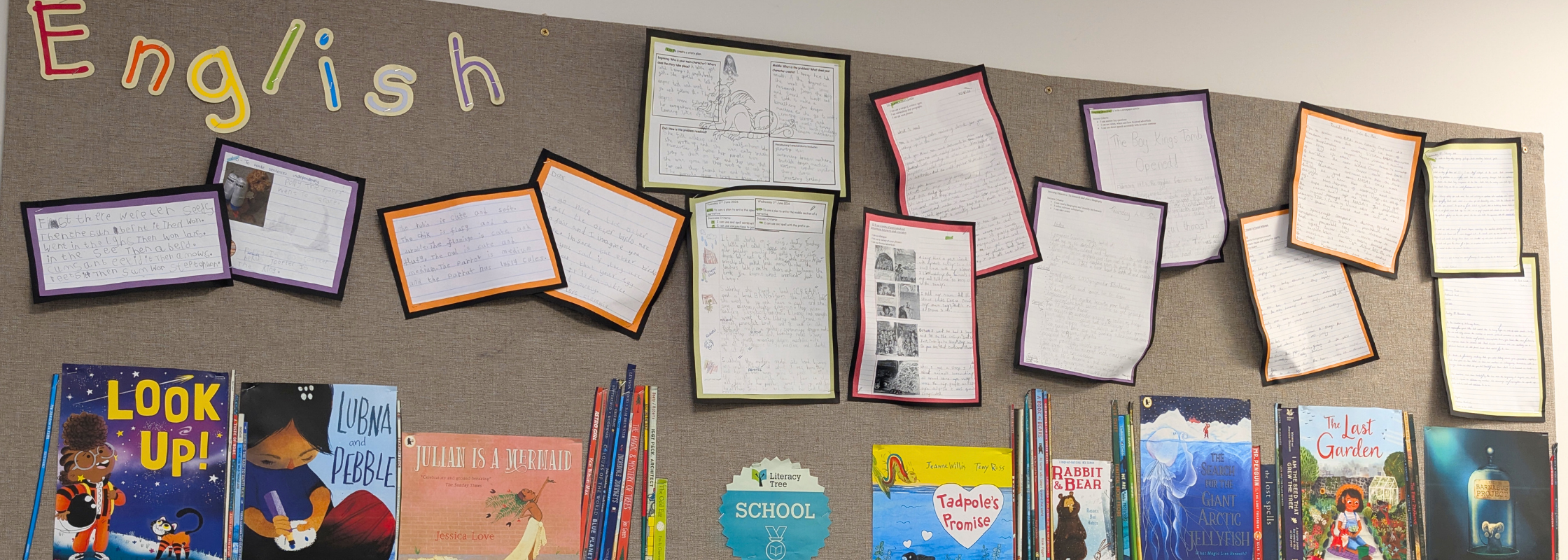
Pupil voice is also very strong, with all pupils reporting that they enjoy English and feel confident discussing the texts they study. In books, we can see clear progression in writing, improved stamina, stronger technical accuracy and a deeper understanding of authorial intent. Pupils are increasingly able to make inferences, explain their ideas clearly and draw links between texts.
External visitors to school regularly comment on the high standards in English, particularly the quality and depth of writing. We have also begun to develop individual pupil case studies to track progress in more detail, which have been shared with staff and governors. Overall, Literacy Tree has had a significant impact in strengthening both teaching practice and pupil outcomes across the school.
Written by Stephanie Maude, Deputy Headteacher and English Subject Leader, Baldwins Gate Primary School
Teacher Testimonials
Since its implementation, the Literacy Tree scheme of work has greatly enhanced the teaching of reading and writing through the study of a wide variety of inspiring fiction and non-fiction books ranging from classics to contemporary literature. These introduce both pupils and teachers to a plethora of exciting authors, genres and themes. From a teaching perspective, I have been impressed with the way that the scheme facilitates writing, spelling and grammar activities relating to a particular book.
A strength of the scheme is the emphasis on cross-curricular links for instance with citizenship, history and science. It has expanded cultural diversity in the school’s curriculum, notably by exploring aspects of Black British History. Furthermore, the scheme challenges pupils to confront subjects like prejudice and antisemitism in an accessible, age-appropriate way, for example, by studying the life of Anne Frank and the Holocaust. These areas of focus celebrate culture and resilience, encourage an understanding of the origins of modern society and foster compassion, empathy and a global perspective.
I believe in introducing primary-aged pupils to ambitious literature such as William Shakespeare’s work, providing a strong stimulus for writing as exemplified by pupils’ responses to the study of The Tempest. The Literacy Tree scheme allows for oracy including speaking, drama and role play to be effectively integrated into lessons to support vocabulary development. The resources (which include mixed-age planning) can be readily adapted and delivered, offering an inclusive, unified whole-school English curriculum. This deepens pupils’ knowledge, skills and understanding, encouraging them to think like writers and instils a lifelong passion for reading.
James P. Bowen, Class Teacher, Baldwins Gate Primary School
I initially had concerns that working from a scheme could feel restrictive, but I have found Literacy Tree retains creativity and engagement within its structure. The texts chosen are often fantastic and varied; from books such as The Search for the Giant Arctic Jellyfish to culturally diverse stories, I have genuinely enjoyed reading many of them alongside my class.
The planning itself is well sequenced and breaks learning into manageable steps. Rather than expecting children to regularly produce lengthy pieces of writing, lessons build carefully through sentence work, vocabulary, grammar and purposeful short tasks. This makes learning achievable for all pupils.
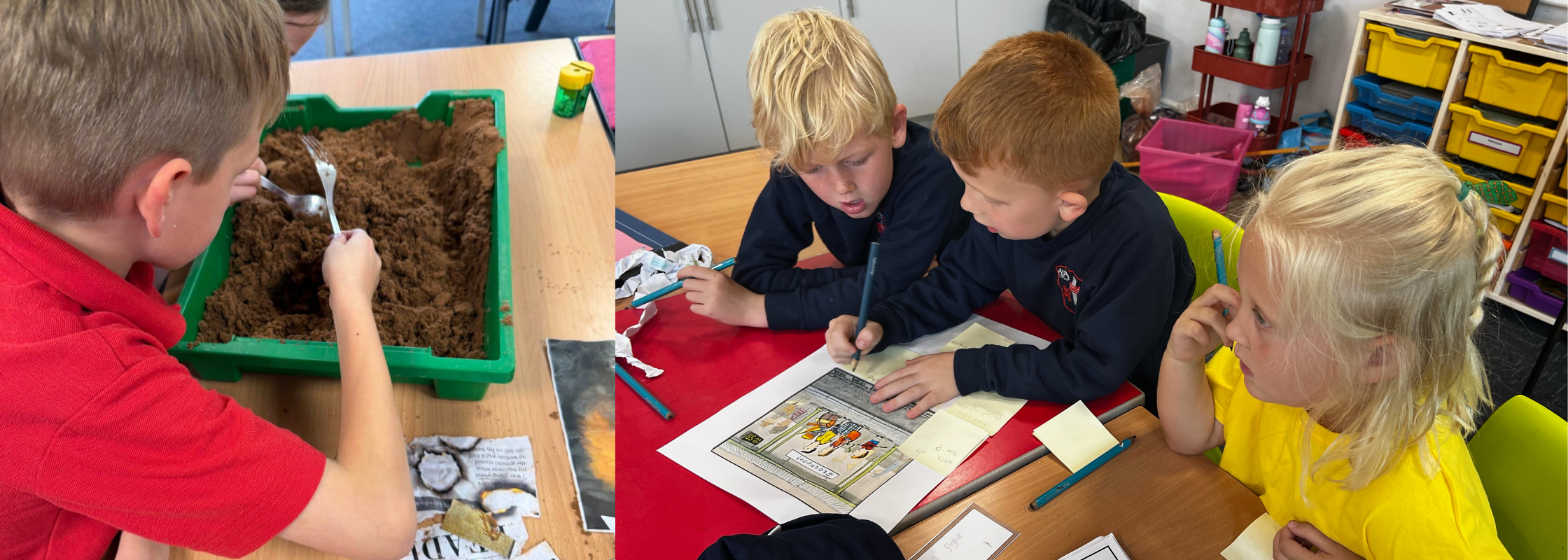
The scheme also provides engaging opportunities to bring stories to life. During Leon and the Place Between, suggestions around creating a circus atmosphere inspired me to transform the classroom using toy animals, popcorn and a tent-like circus feel. This created genuine excitement and investment from pupils before learning had even begun. Links through guided reading and Spelling Seeds also strengthen vocabulary development and provide useful connections across English teaching. I have seen improvements in confidence, quality of writing and outcomes across all pupils.
James Ahearne, Class Teacher, Baldwins Gate Primary School