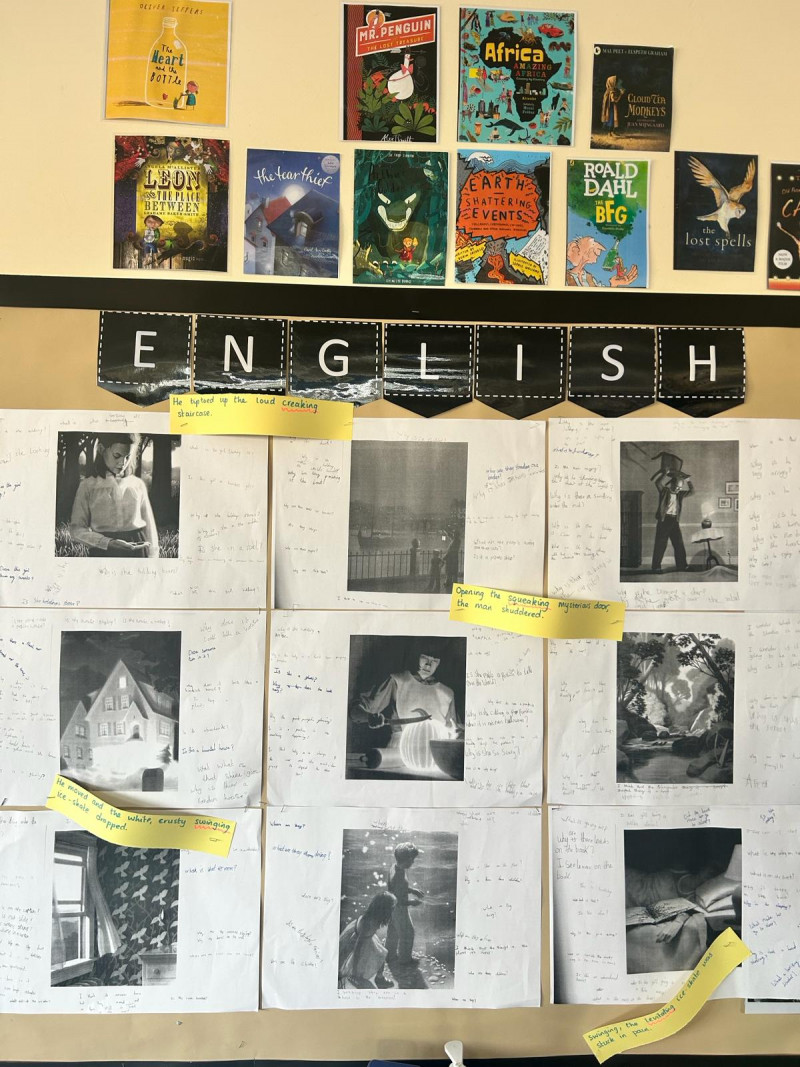
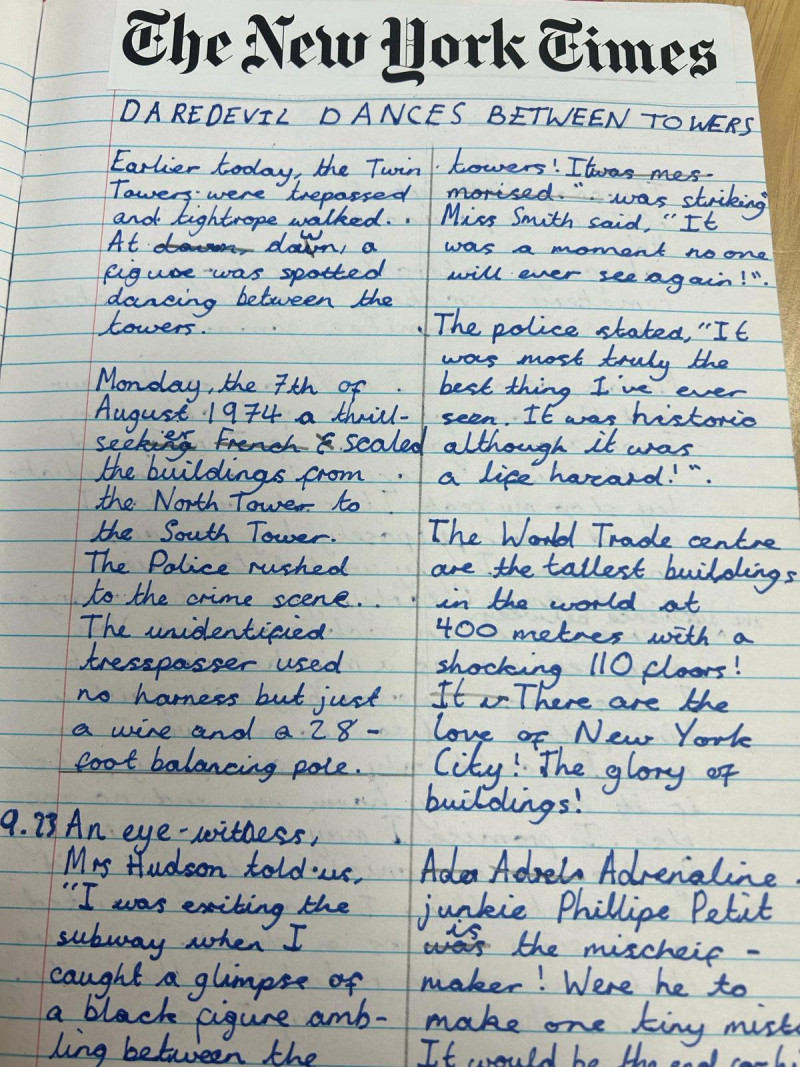
"Here at St Gerard's Catholic Primary School in Birmingham, we have been working with the Literary Tree since September 2021.
The immediate response was extremely positive from teachers and children when first implemented. It was their excitement about the varying texts appearing in their classroom and the engaging 'hook' lessons at the start of each unit. We initially used it as a scheme to give time for the teachers to understand the pedagogy and pattern in which the unit follows but after some time we decided as a school to use it more as a framework. This was decided because the teachers could then have the freedom to adapt lessons according their class and their needs. The subject leader still knew that there was a clear skills progression in place and the texts the children were being exposed to were extremely high quality.
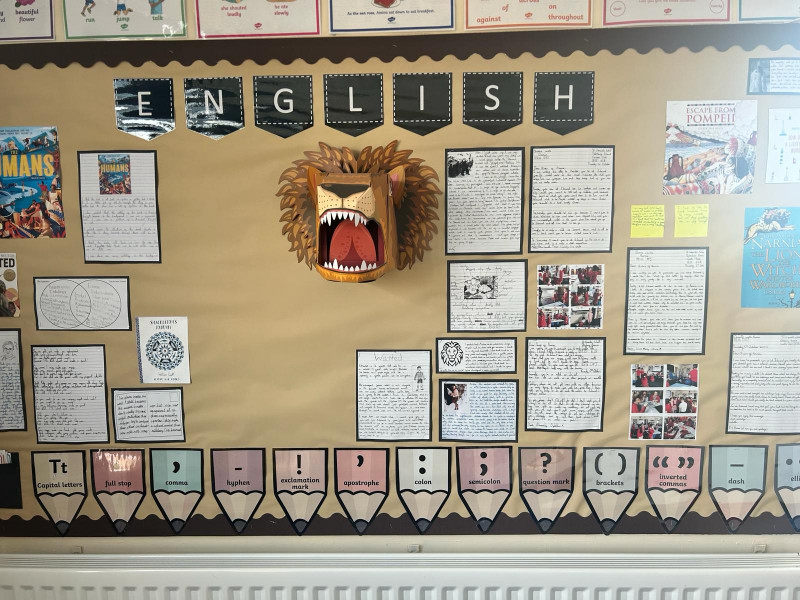
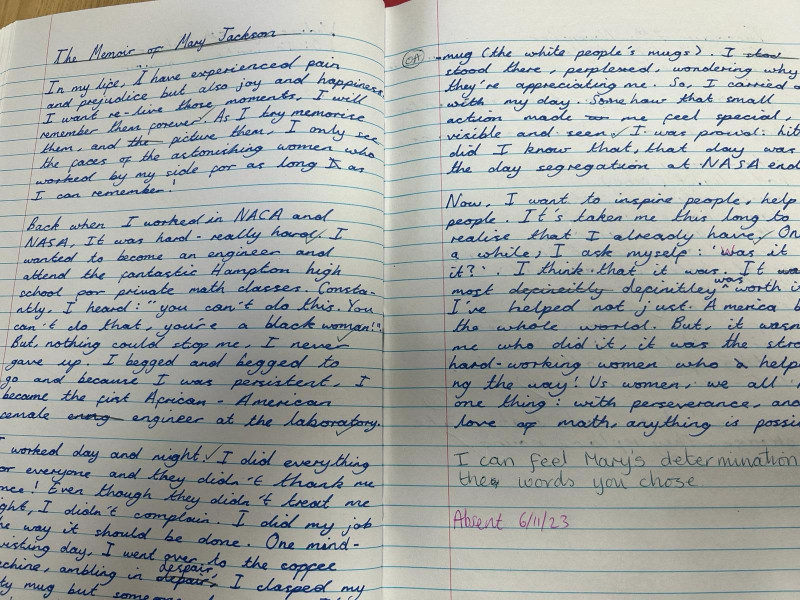
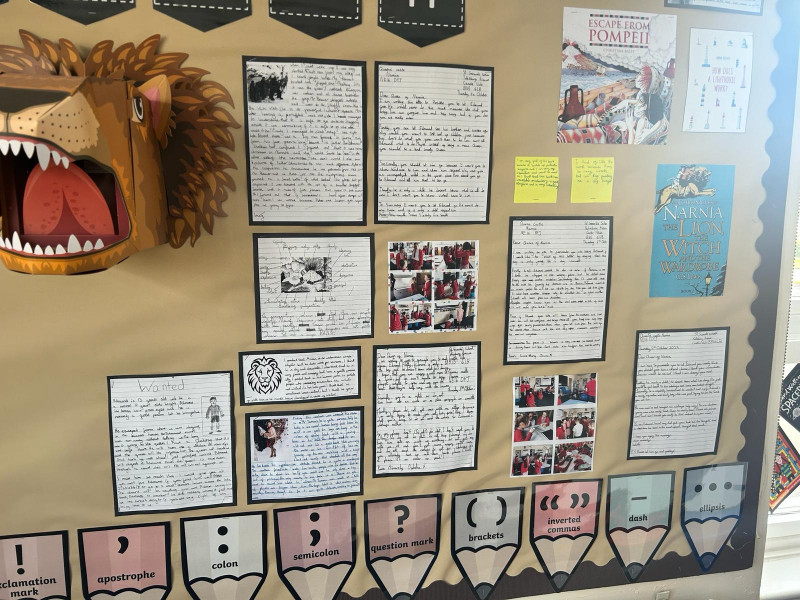
Over the last 2 years, the Literacy Tree has changed our school for the better. The children are now much more enthusiastic about reading at home and at school. They are more confident about talking about reading and their attainment has improved. In terms of writing, this is where we have seen the biggest change. The children want to write. They have become passionate writers as there is a purpose to their writing and there is always an audience. Since working with the Literacy Tree, and taking part in spirited debates, meaning role play and having their teachers teach in role, children have felt empowered and have chosen to independently write to MP's and authors. They have even started the movement #Cartoonsnotcruelty after speaking to refugees and feeling confident enough to speak out about issues they felt were wrong.
We are now honoured to be one of the Literacy Tree's flagship schools and are excited about what the future holds."
https://www.birminghammail.co.uk/news/midlands-news/birmingham-school-kids-inspire-national-27390860
Libby Crane, English Subject Leader, St Gerard's Catholic Primary School
St Gerard's Curriculum Statement
Intent
At St. Gerard’s Catholic Primary School, we believe that all children can learn to read, regardless of their background, needs or abilities, and we are determined to make this happen.
We aim to create a community of avid readers who read fluently and widely, and who are able to express preferences and opinions about the texts they encounter. We strive to develop a culture in which pupils read for pleasure, having access to a rich range of text types, genres and authors so they can form informed and thoughtful views about their favourites.
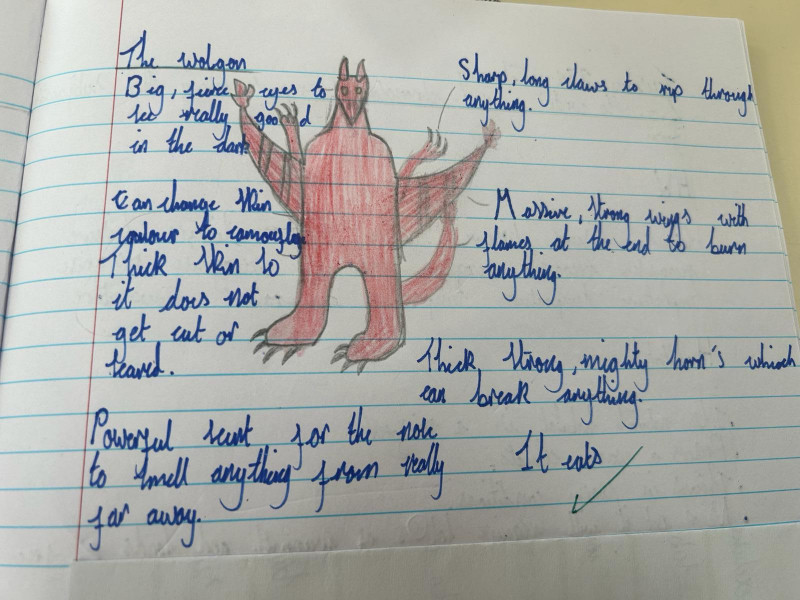
We want our children to write with confidence and accuracy for a variety of purposes and audiences, whilst developing their imagination and creativity. They will write with grammatical accuracy and apply spelling patterns correctly and independently.
We aim to expose our pupils to a wide and ambitious vocabulary so that they can decipher new words and use them confidently in both informal and formal contexts. By equipping our children with these skills, we empower them to become confident, articulate and highly literate members of society who can read, write and communicate effectively as they grow and flourish in our ever-changing world.
The National Curriculum
The overarching aim for English in the National Curriculum is to promote high standards of language and literacy by equipping pupils with a strong command of the spoken and written word, and to develop their love of literature through widespread reading for enjoyment. The National Curriculum for English ensures that all pupils:
- Read easily, fluently and with good understanding.
- Develop the habit of reading widely and often, for both pleasure and information.
- Acquire a wide vocabulary, an understanding of grammar and knowledge of linguistic conventions for reading, writing and spoken language.
- Appreciate our rich and varied literary heritage.
- Write clearly, accurately and coherently, adapting language and style for a range of contexts, purposes and audiences.
- Use discussion to elaborate and explain their understanding and ideas.
- Become competent speakers and listeners who can make formal presentations and participate in debate.
Implementation
Books are powerful and transformative tools. They offer knowledge, experience and insight, while also enabling children to develop culturally, emotionally, intellectually, socially and spiritually. High-quality texts strengthen comprehension, vocabulary, spelling, speaking, listening and writing. Because of this, St. Gerard’s has adopted a fully book-based approach to the teaching of English, placing high-quality literature at the very heart of our curriculum.
Pupils at St. Gerard’s are taught English through Literacy Tree, a carefully sequenced, book-based approach to the teaching of Primary English that places children’s literature at its core.
Literacy Tree immerses children in a literary world through:
- Writing Roots (for writing)
- Reading Leaves (for whole-text reading and comprehension)
- Spelling Seeds (for spelling and word study)
This structure creates strong engagement and provides meaningful, authentic contexts for learning across the full English curriculum.
Through this approach, children become critical readers and develop an understanding of authorial intent as they encounter a wide range of fiction, non-fiction and poetry. Throughout their time at St. Gerard’s, pupils explore a rich range of significant authors and texts that broaden their perspectives and deepen their understanding of the world.
To ensure the curriculum is fully embedded, pupils receive a daily English lesson alongside a daily whole-class reading lesson, often focused on different texts. Each half term centres around a carefully chosen theme, with links made across the wider curriculum to allow children to explore ideas in depth.
We follow a spiral approach to learning, enabling pupils to revisit and deepen their understanding of key strands of the National Curriculum throughout each year. This ensures full coverage of writing composition, reading comprehension, grammar, punctuation, vocabulary, spelling and phonics, all taught within meaningful contexts.
Pupils also have access to a diverse range of books within classroom reading areas and the school library. Reading areas promote high-quality texts, often linked to current themes. Our library monitors run lunchtime reading sessions, encouraging pupils to listen to new stories, develop fluency and enjoy quiet reading time. These opportunities foster independence, confidence and a genuine love of reading.
Impact
Our children grow into confident, fluent readers who can recommend books and authors, read across a range of genres including poetry, and participate thoughtfully in discussions about texts. They evaluate language choices and understand the impact an author’s decisions have on the reader. They also use reading to enhance knowledge and understanding across the wider curriculum.
By the end of their time at St. Gerard’s, pupils write clearly and accurately, adapting their language and style for different contexts, purposes and audiences. They acquire a broad vocabulary and develop a strong command of the written word.
Most importantly, they develop a genuine love of reading and writing and leave us well prepared for the next stage of their education.